
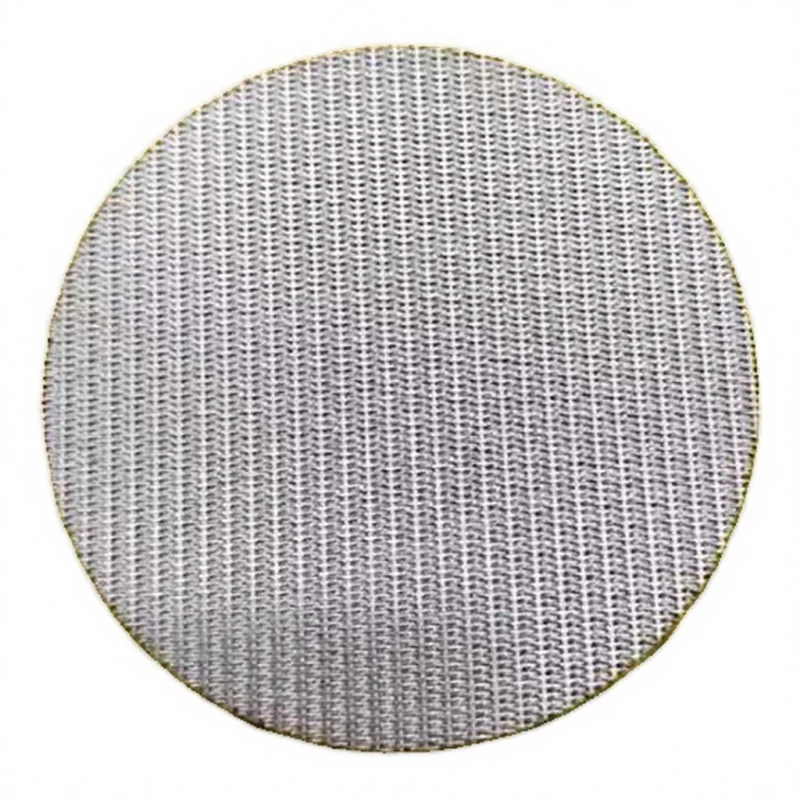
Sintered Mesh Filter Discs
A sintered mesh disc combines bonded wire-mesh layers in a flat filtering format. The filtering layer and supporting layers act together while the holder establishes the perimeter seal and load support.
Explore by product form or practical application.
Start with a photo or tell us what you need to filter.
Talk to our team ↗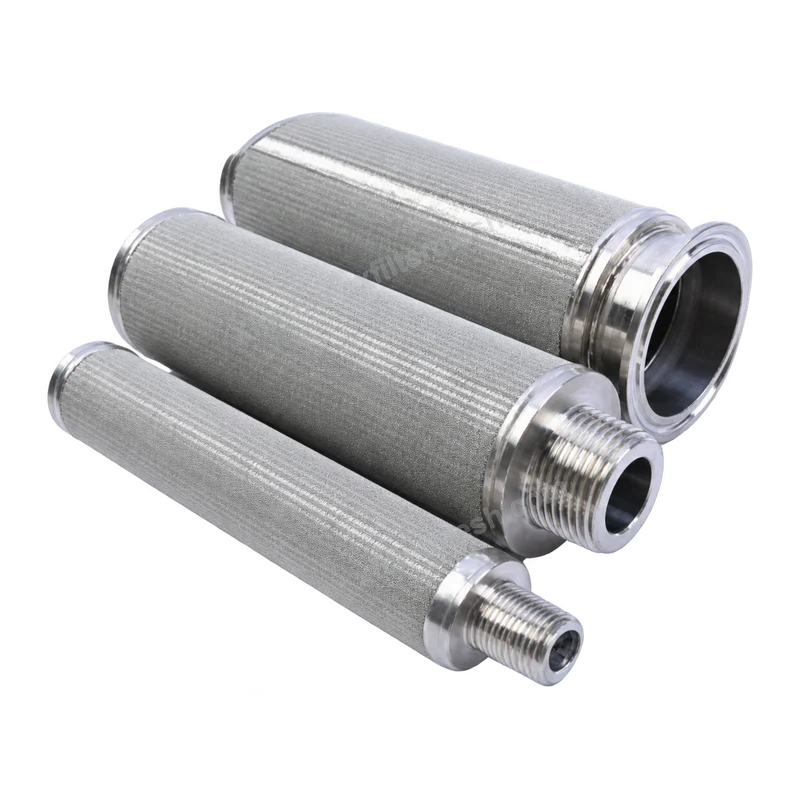
Rigid, cleanable filter elements made from multilayer sintered mesh.
Explore this series ↗Explore by process medium or equipment context.
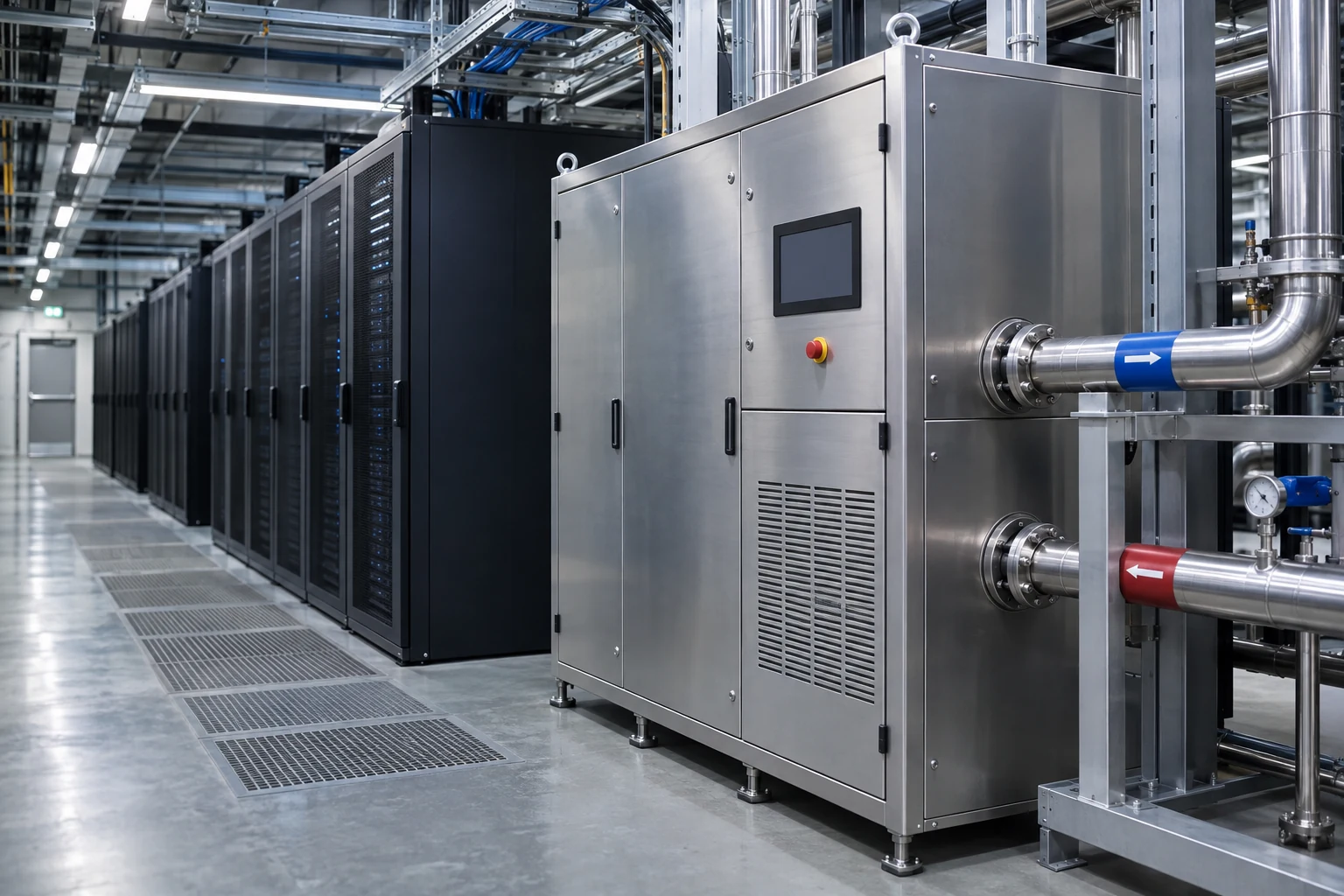
Explore the operating duty, product forms and details to discuss with our team.
View all applicationsOur own fabrication and Anping’s specialist supply network.
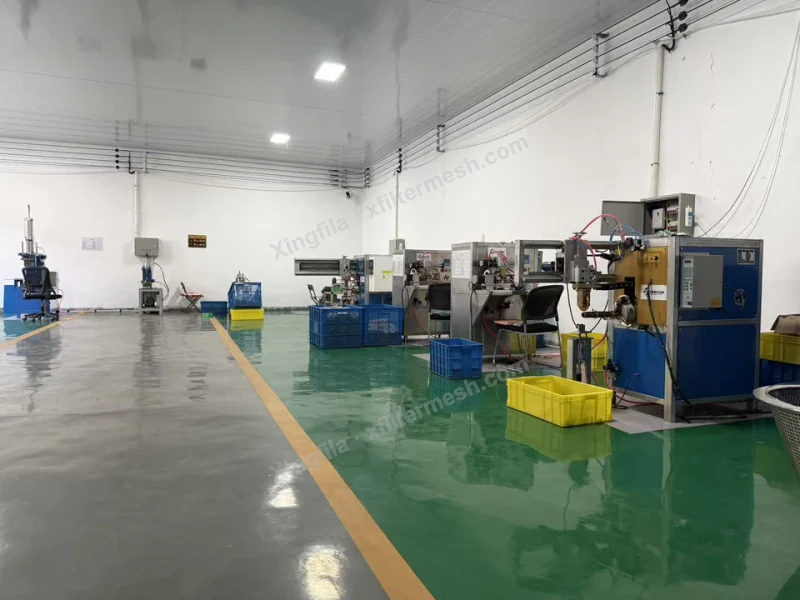
Bring related filtration requirements together through Xingma.
Explore our approachPractical notes for selection, specification and inquiry.
Send the product reference or application to our team.
Ask a question
Practical notes to help you describe and discuss a filtration requirement.
Browse selection notesA filtration partner based in Anping, China.
Filter elements, mesh components and filtration materials.
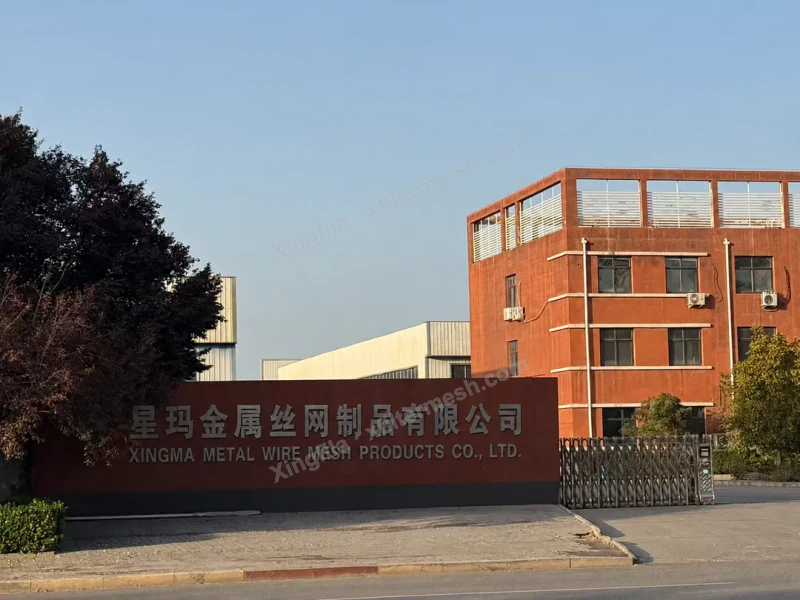
Xingma’s own facility, supported by local filtration expertise.
Meet our companySearch our products, applications and technical guidance.
Filter elements, mesh components, filtration materials and related assemblies.
41 product types / styles
A sintered mesh disc combines bonded wire-mesh layers in a flat filtering format. The filtering layer and supporting layers act together while the holder establishes the perimeter seal and load support.
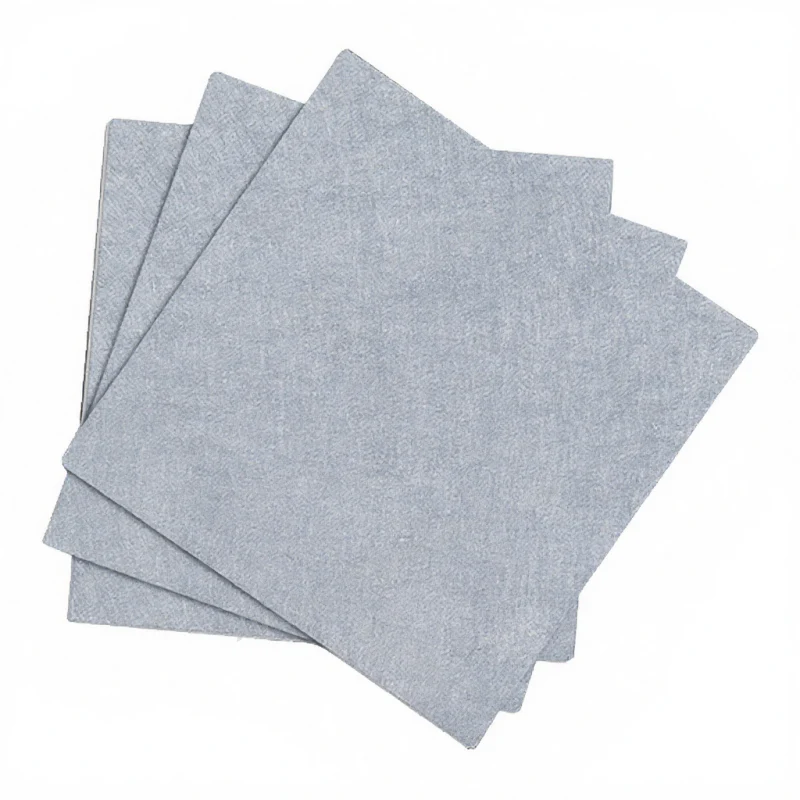
Metal fibre felt is a porous sheet made from a network of fine fibres rather than interlaced warp and weft wires. Electrochemical grades use that network for fluid transport, electrical contact and support within a cell.
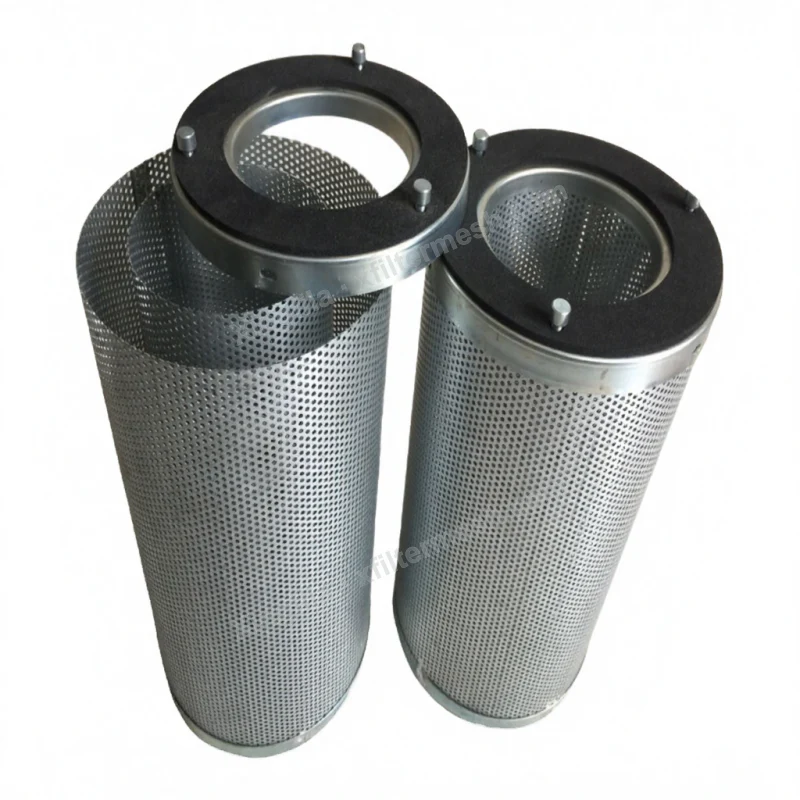
An activated-carbon cartridge uses an adsorbent medium to capture suitable dissolved or gaseous substances. Its treatment duty depends on the target substance, carrier fluid and contact conditions.
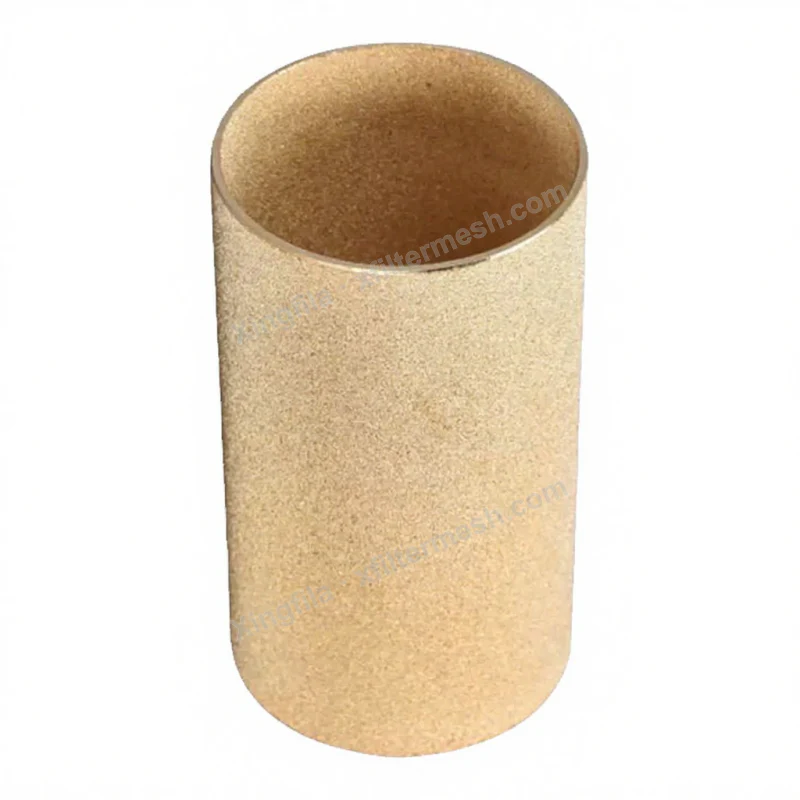
A compressed-air element treats the contamination specified for its medium. Particle filters retain solids; coalescing media collect liquid aerosols and require suitable drainage within the assembly.
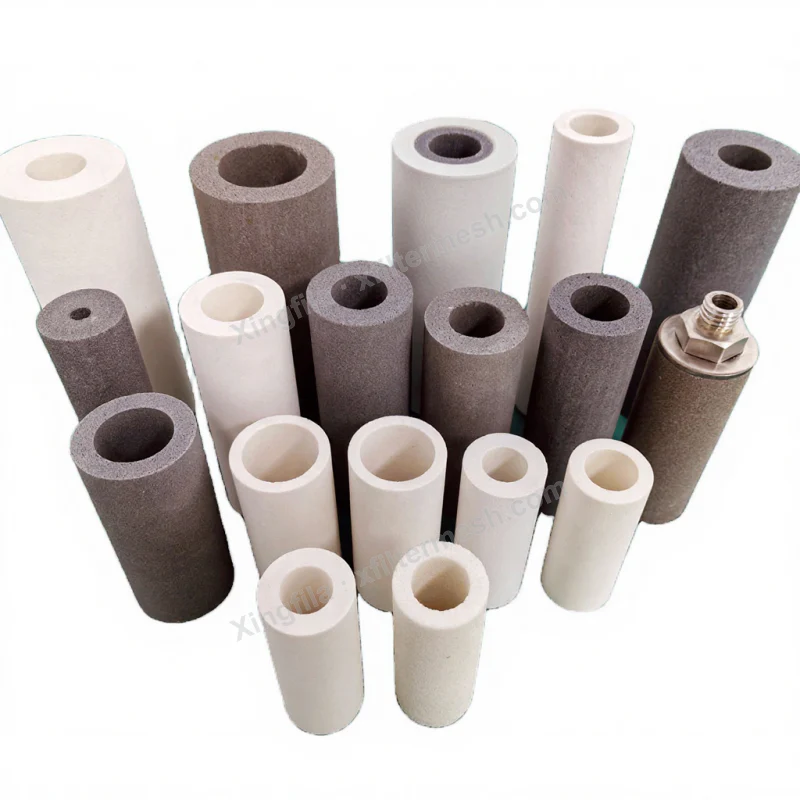
A porous ceramic probe element screens particles from a gas sample at the specified probe position. Its pore structure and mounting must suit the sample conditions and probe design.
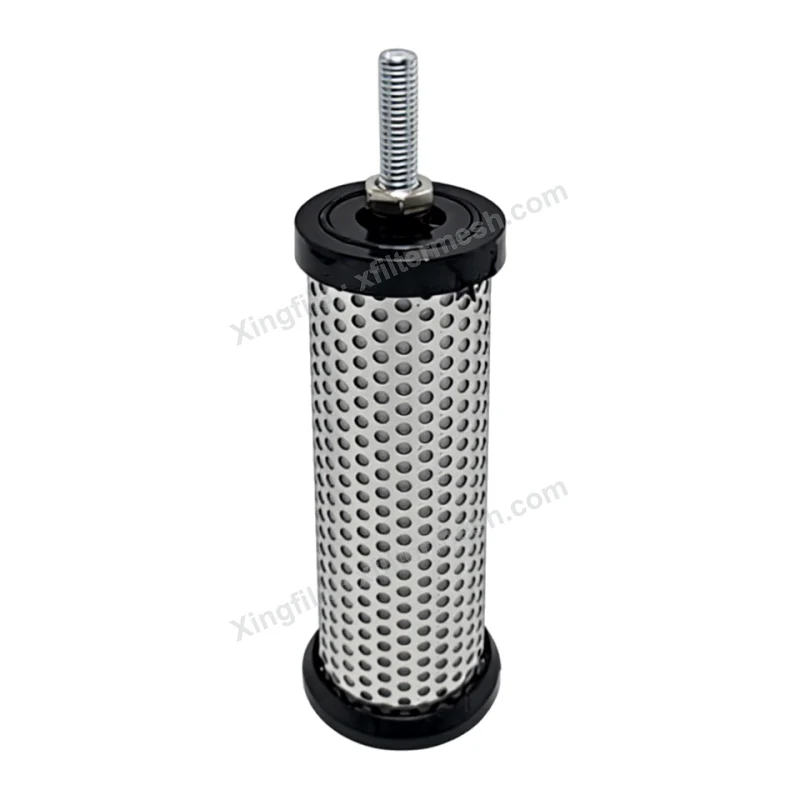
A compressed-air element treats the contamination specified for its medium. Particle filters retain solids; coalescing media collect liquid aerosols and require suitable drainage within the assembly.
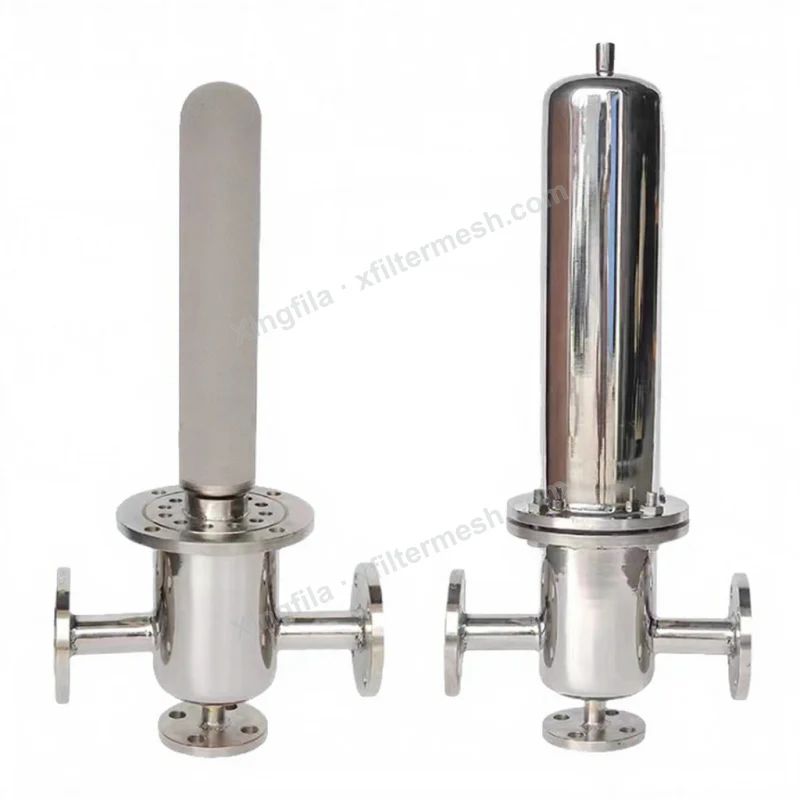
A filter housing contains the selected element or screen and routes fluid between inlet and outlet. The body, closures and seals form the assembly boundary; the internal medium determines the separation task.
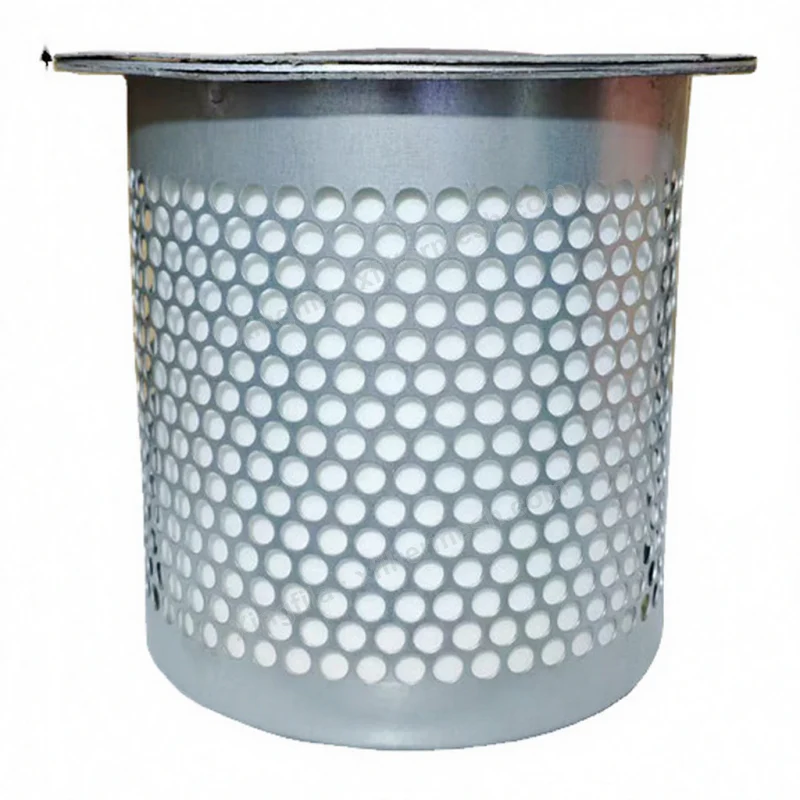
An air–oil separator element works with an oil-injected compressor’s separation and return system. Its medium coalesces entrained oil droplets so separated oil can follow the designated return path.
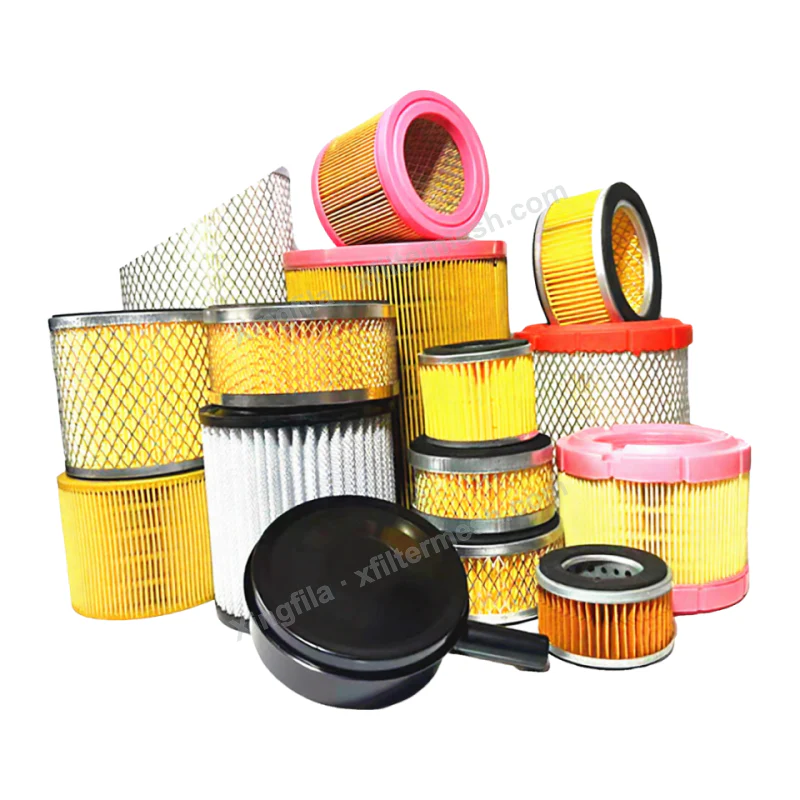
An intake-air cartridge screens particles from the air entering a compressor, pump or other specified equipment. The medium and end seals must match the equipment's airflow and service conditions.
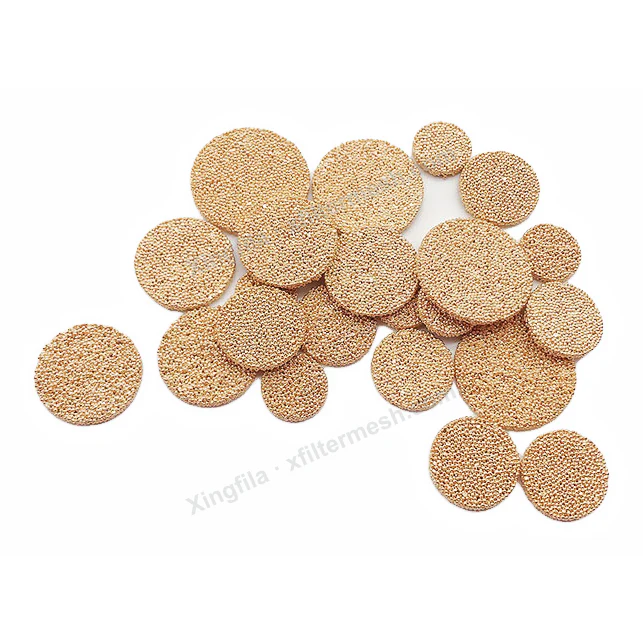
A powder-sintered metal component forms a porous body from bonded metal particles. Its interconnected pores can support filtration or a specified gas-flow function, depending on the selected construction.
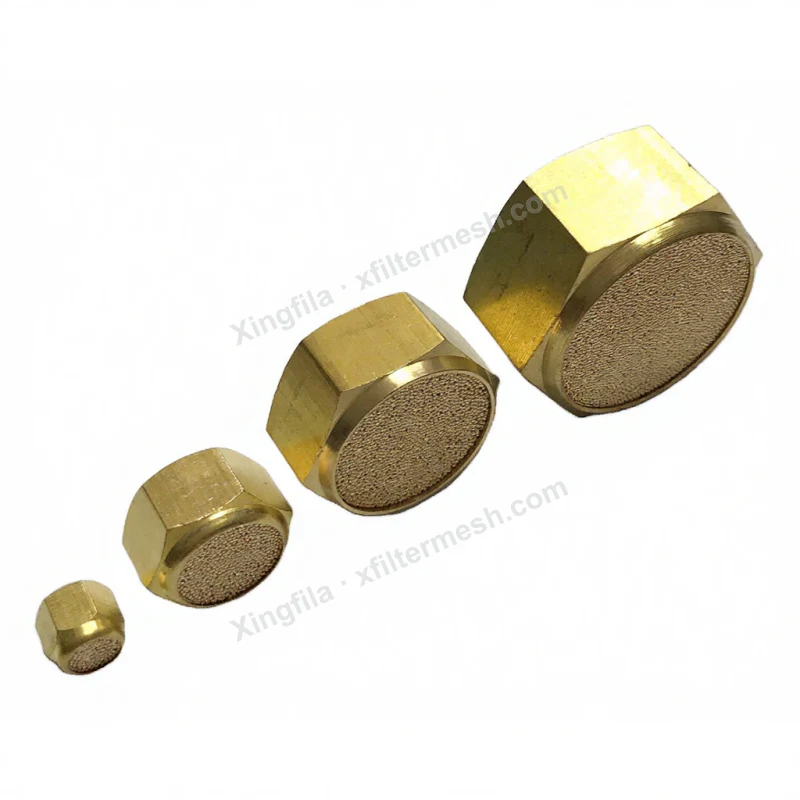
A porous exhaust component disperses pneumatic exhaust through multiple passages. Its flow resistance and connection must suit the equipment so that noise control does not create excessive backpressure.
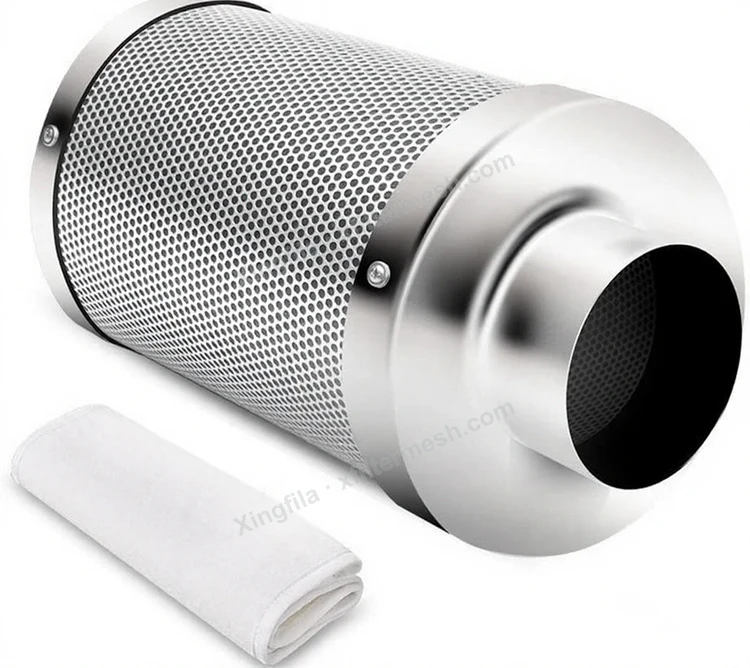
An activated-carbon cartridge uses an adsorbent medium to capture suitable dissolved or gaseous substances. Its treatment duty depends on the target substance, carrier fluid and contact conditions.
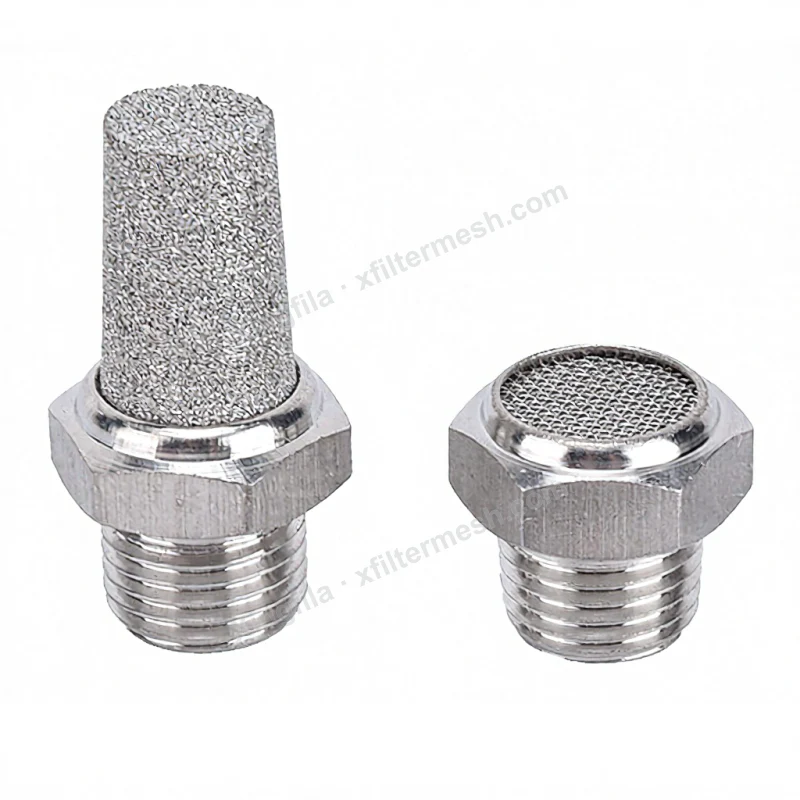
A porous exhaust component disperses pneumatic exhaust through multiple passages. Its flow resistance and connection must suit the equipment so that noise control does not create excessive backpressure.
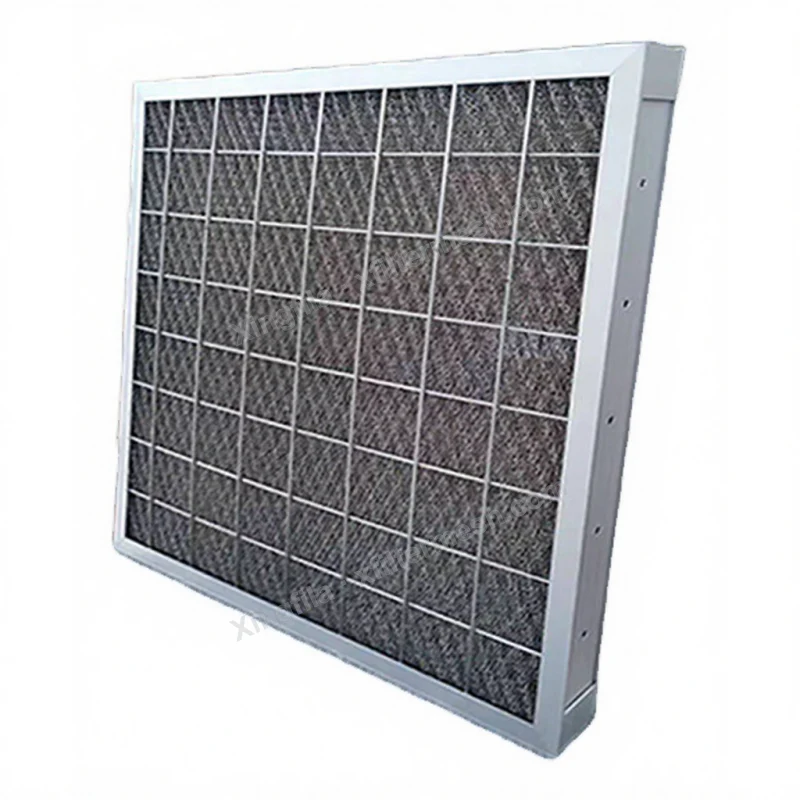
A wire-mesh demister collects entrained liquid droplets from a gas stream. Droplets contact the wire surfaces, combine and drain when the installation provides a suitable liquid-removal path.
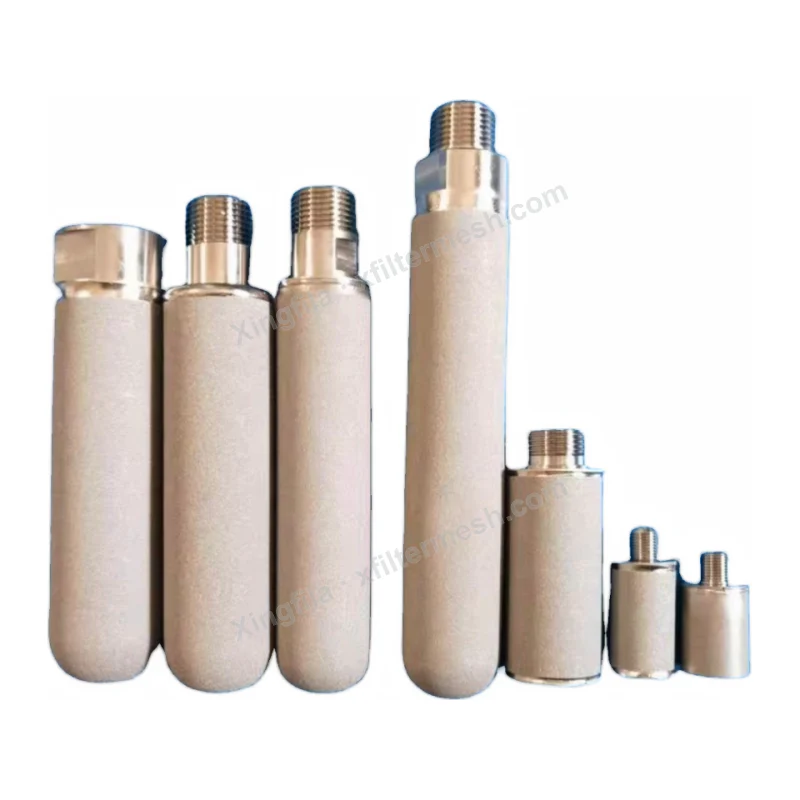
A porous element provides connected passages through a solid medium for fluid flow and particle retention. Its material and manufacturing structure must be identified before selecting a performance grade.
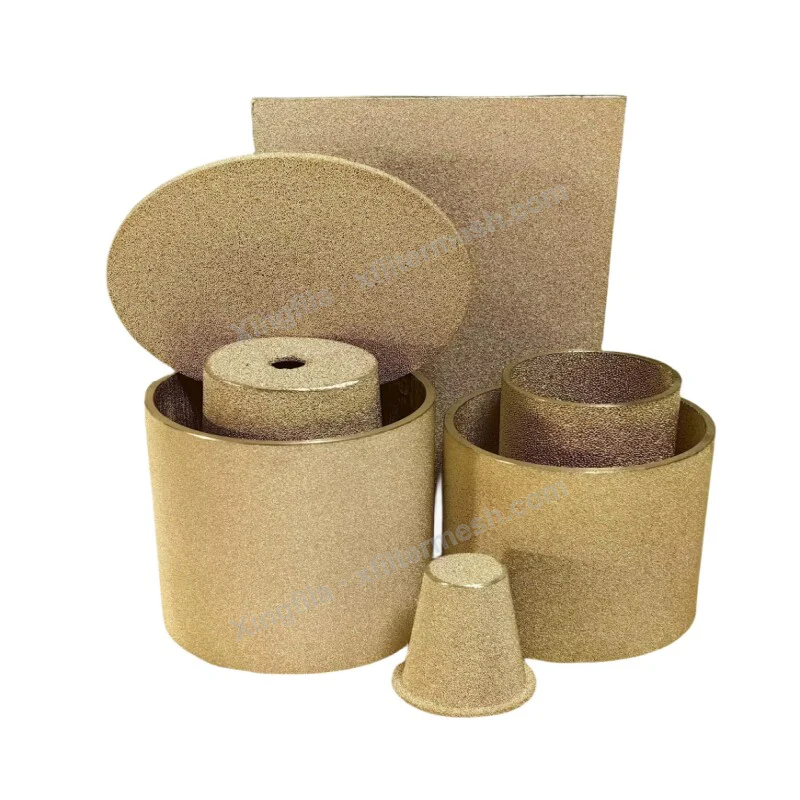
A powder-sintered metal component forms a porous body from bonded metal particles. Its interconnected pores can support filtration or a specified gas-flow function, depending on the selected construction.
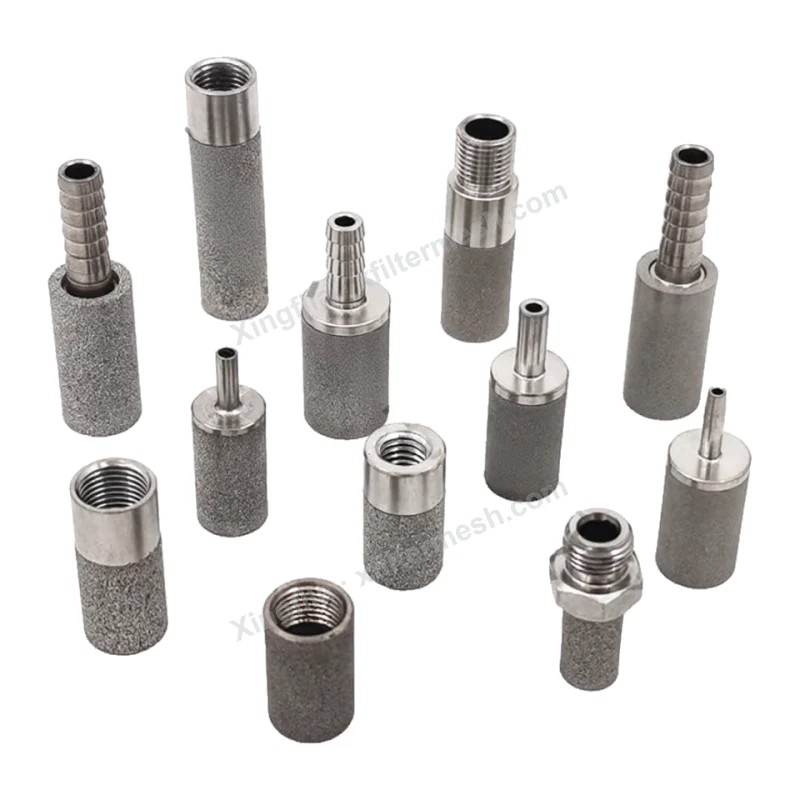
A porous gas diffuser introduces gas into a surrounding liquid through distributed passages in its working surface. Bubble formation depends on the porous structure and actual gas–liquid conditions.
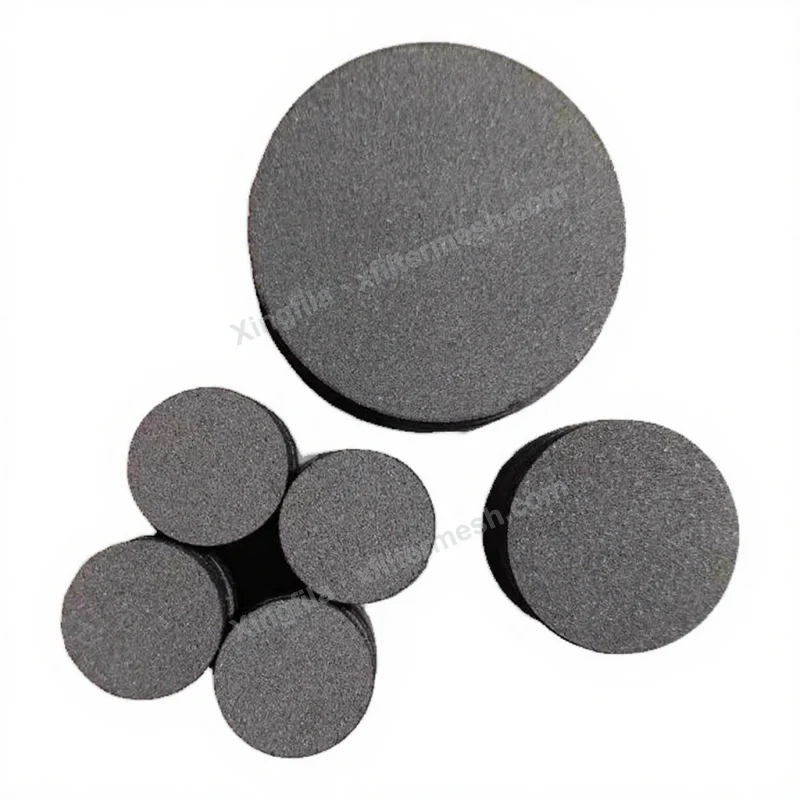
A powder-sintered metal component forms a porous body from bonded metal particles. Its interconnected pores can support filtration or a specified gas-flow function, depending on the selected construction.