
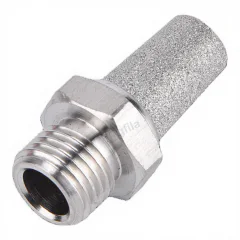
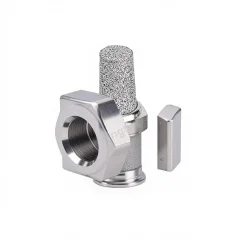
Exhaust-noise treatment on pneumatic equipment
Metal Pneumatic Silencers
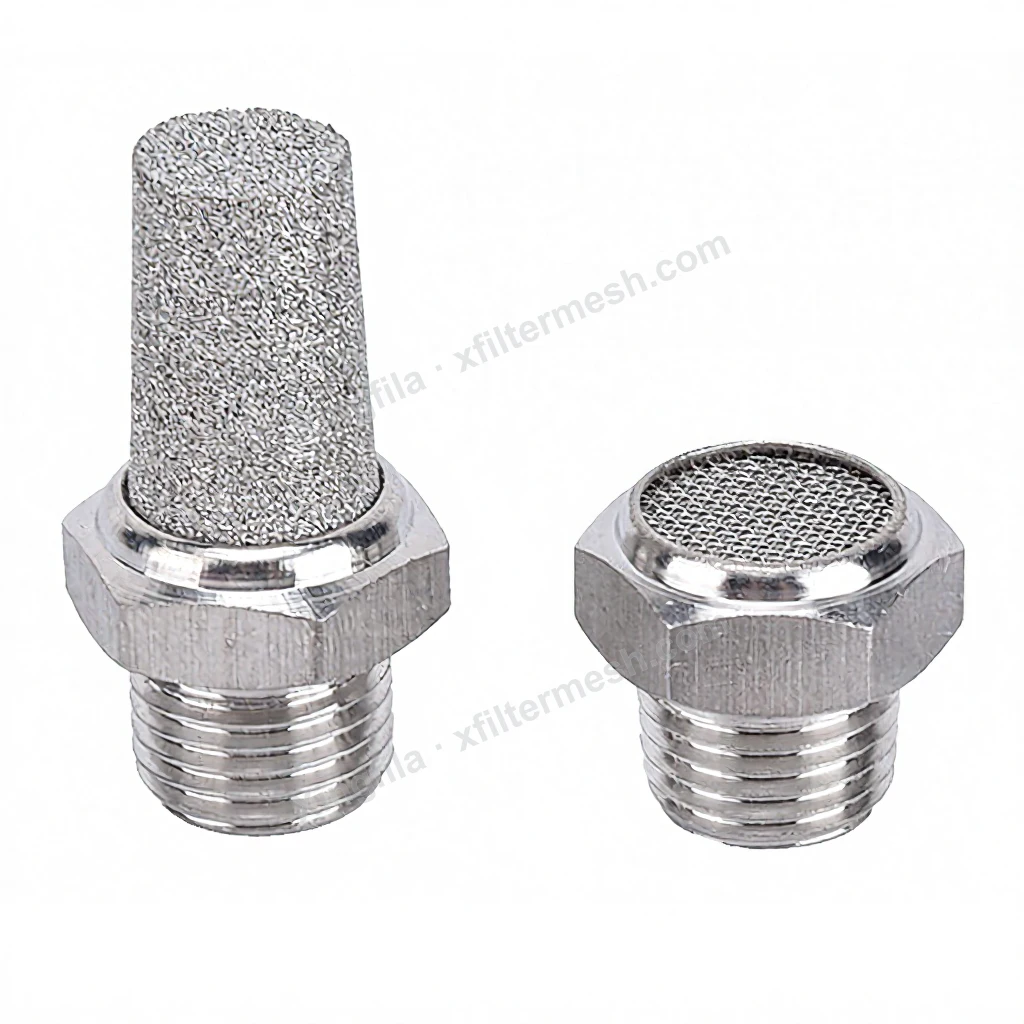
Exhaust-noise treatment on pneumatic equipment. A porous exhaust component disperses pneumatic exhaust through multiple passages. Its flow resistance and connection must suit the equipment so that noise control does not create excessive backpressure.
- Distributed discharge
- Compact connection
CONSTRUCTION & FUNCTION
Porous exhaust diffusion
A porous exhaust component disperses pneumatic exhaust through multiple passages. Its flow resistance and connection must suit the equipment so that noise control does not create excessive backpressure.
Distributed discharge
The porous body spreads exhaust beyond a concentrated outlet jet.
Compact connection
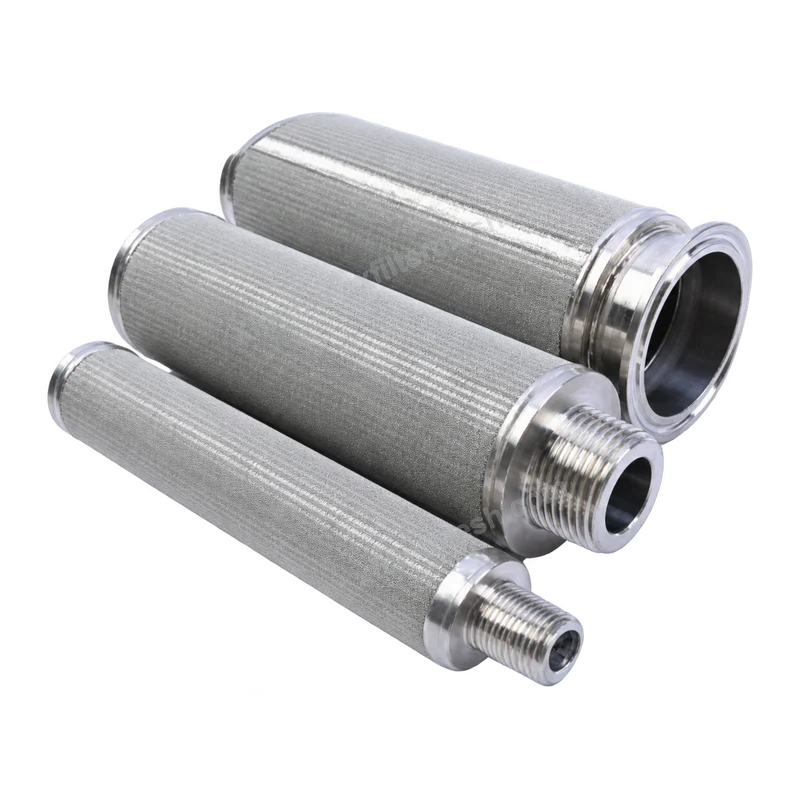
Thread and tool-access details locate the component at the exhaust port.
Construction-specific maintenance
Inspect for blocked passages and service or replace according to the equipment's exhaust restriction requirements.
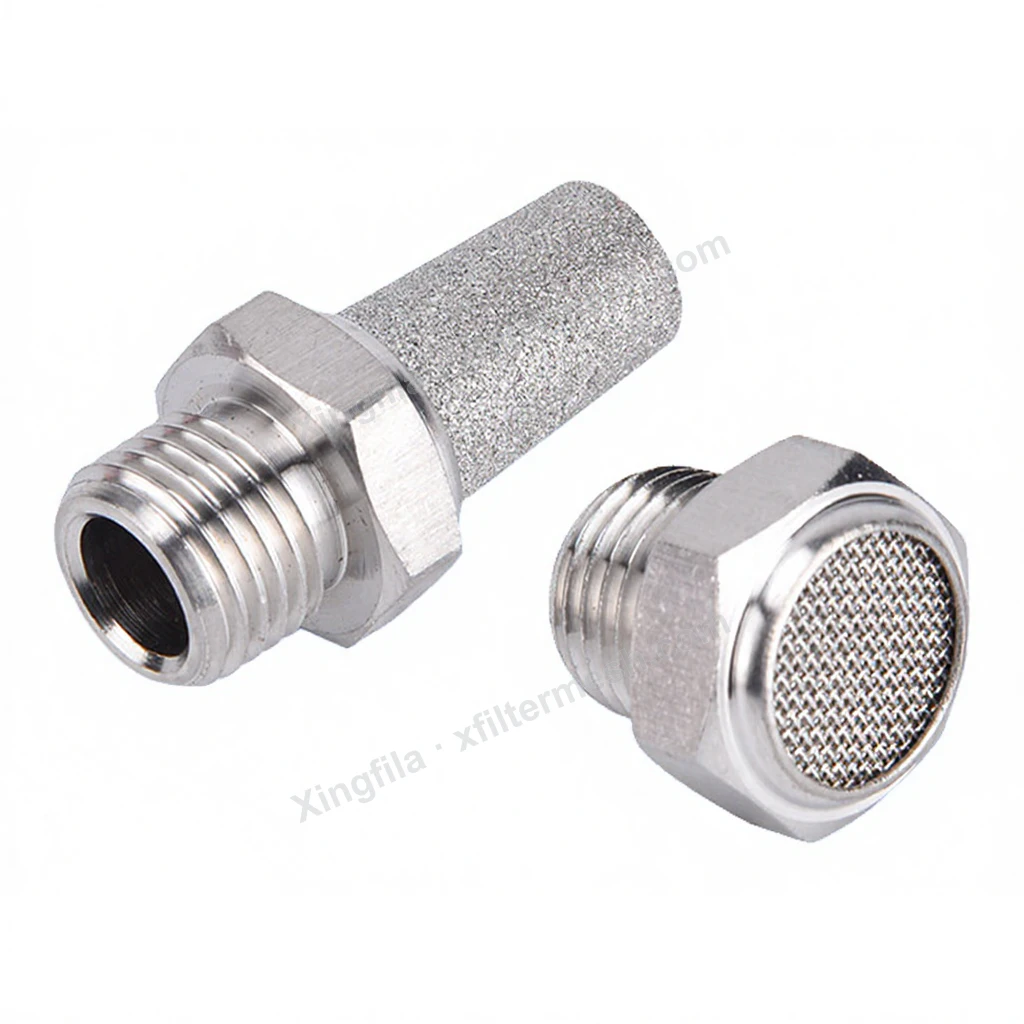
PRODUCT VIEWS
Product construction views
Explore the illustrated forms and component details. Select the construction that matches the intended function and assembly.
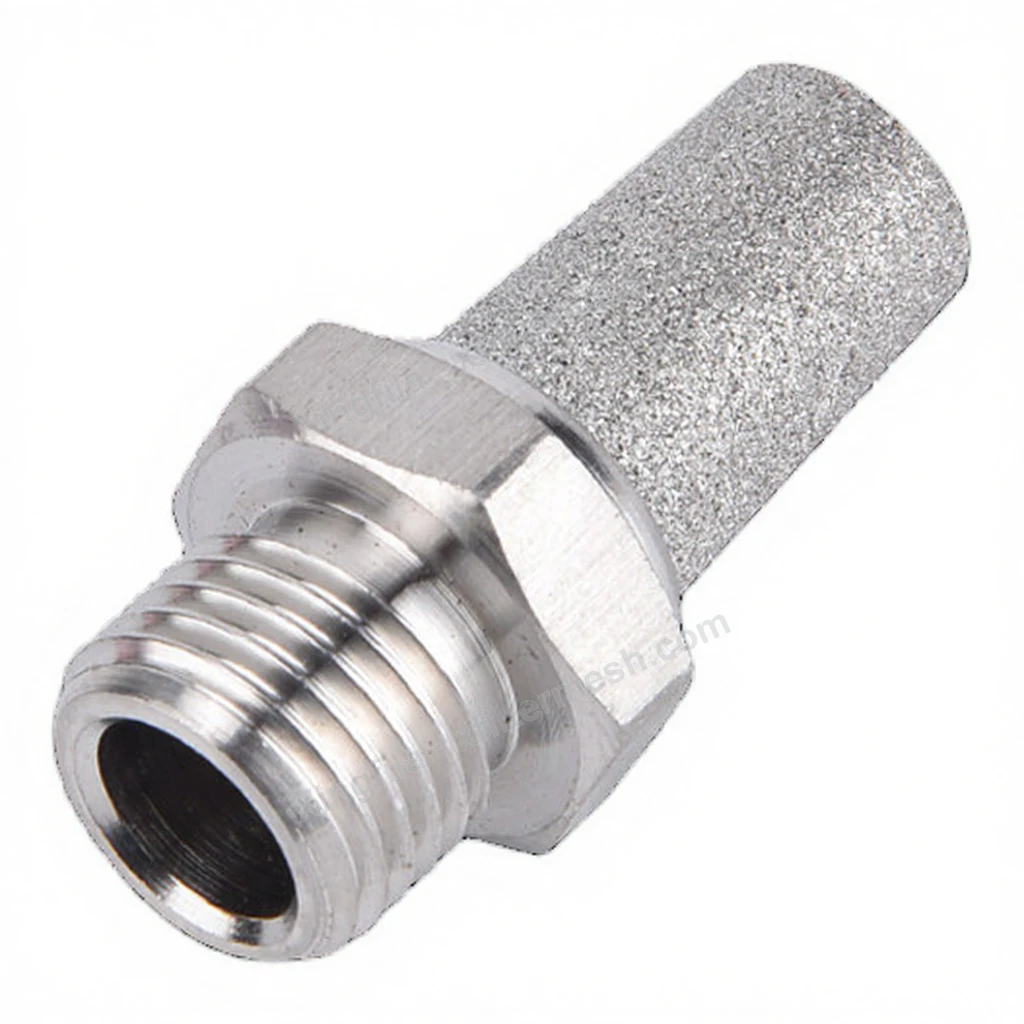
SELECTION GUIDE
Duty & maintenance guide
Use these configuration details to define the component for your equipment and process.
| Selection item | What to specify and why |
|---|---|
| Exhaust flow | Define exhaust rate and the permitted backpressure for the equipment. |
| Connection | Specify thread type, engagement and the available installation space. |
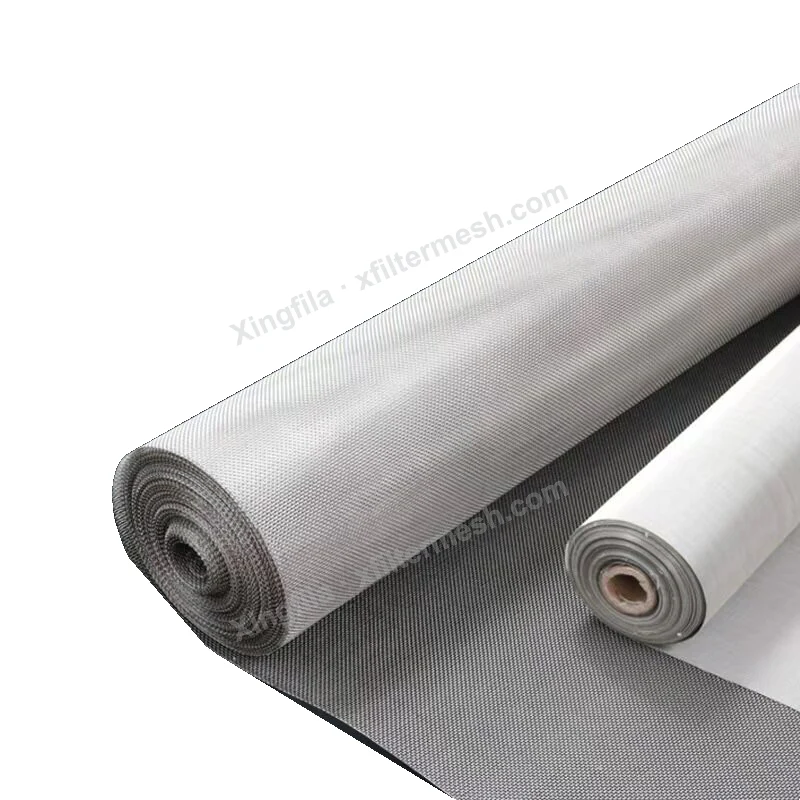
| Porous body | Match material, exposed area and contamination conditions to the application. |
APPLICATION
Process applications
Select the construction around the installation, process stream and maintenance method.
Exhaust-noise treatment on pneumatic equipment
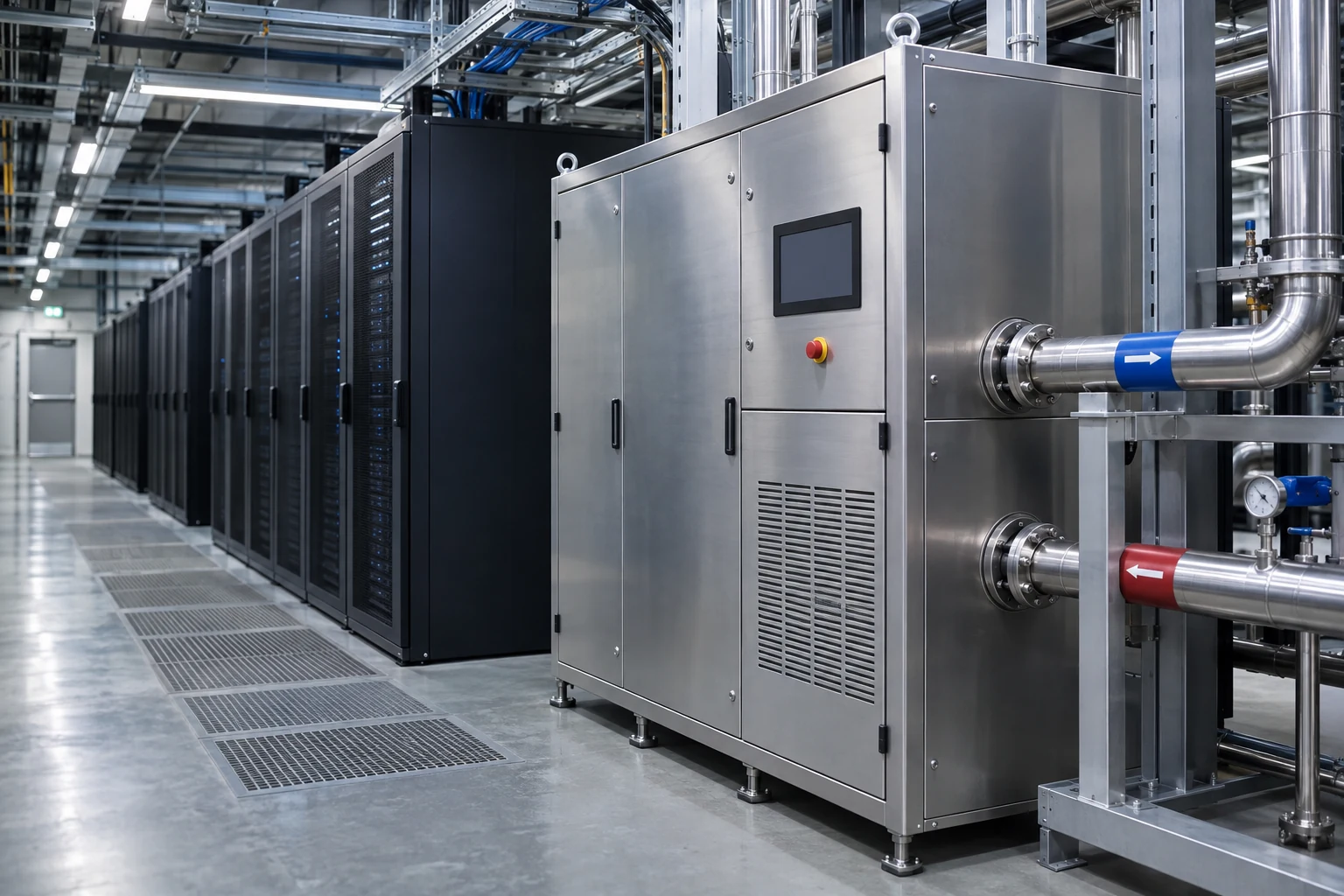
At a pneumatic exhaust port, the porous element divides the exiting gas into many small flow passages. The distributed discharge modifies the exhaust flow and noise, while backpressure remains a constraint imposed by the upstream equipment.
- 01Pneumatic exhaust
- 02Porous passages
- 03Dispersed discharge
TECHNICAL QUESTIONS
Selection questions, answered
Exhaust-noise treatment on pneumatic equipment
Does every porous silencer have the same noise reduction?
No. Noise and backpressure depend on exhaust flow, pressure, installation and porous construction. A universal decibel value is not appropriate.
What should be checked for this configuration?
Specify port thread, exhaust flow and the allowable backpressure. Noise reduction cannot be assigned from body dimensions without the relevant operating and measurement conditions.
How should this component be maintained?
Inspect for blocked passages and service or replace according to the equipment's exhaust restriction requirements.
LET’S DEFINE YOUR REQUIREMENT
Let’s specify your product.
Send the product reference or selected photo, installation dimensions, operating conditions and quantity. Include the mating equipment or housing details so the proposal addresses the actual fit.
Metal Pneumatic Silencers
RELATED CONSTRUCTIONS
Compare related products.
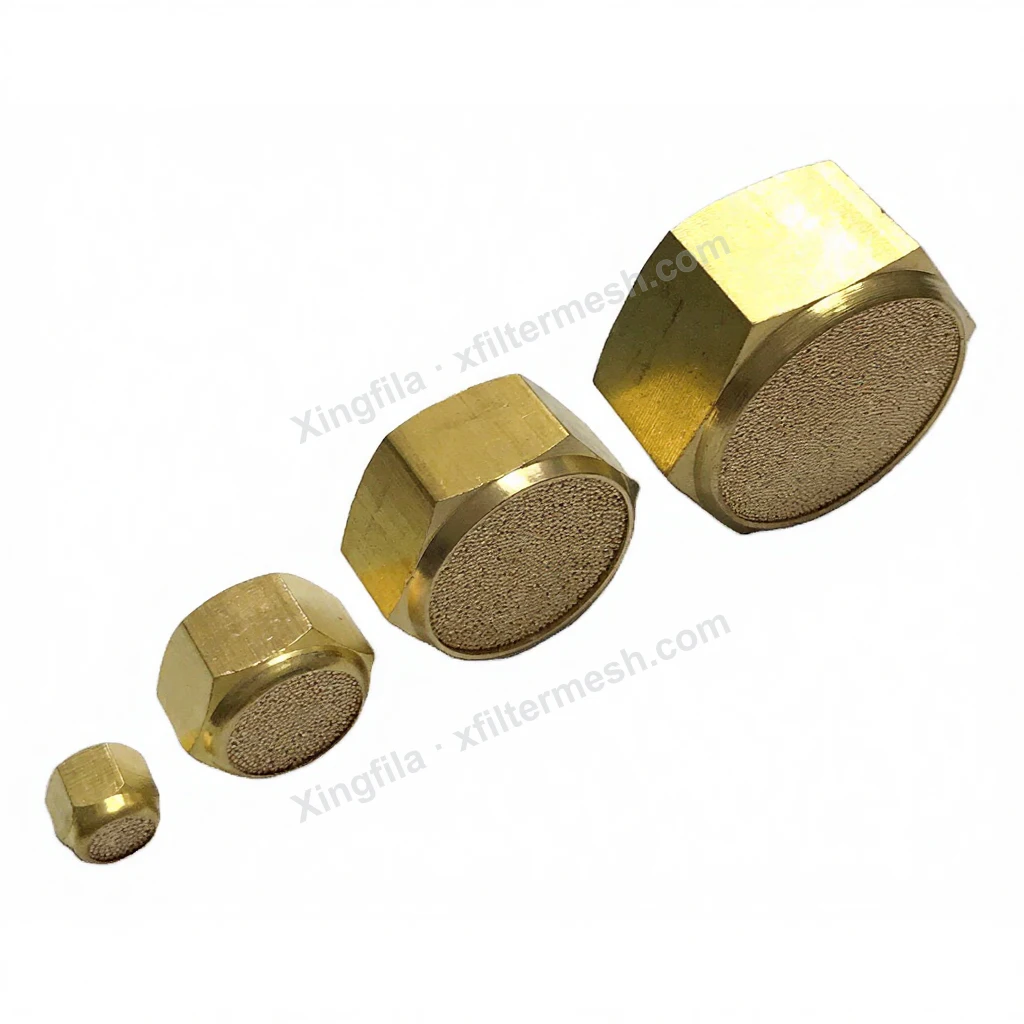
Female-thread Porous Silencers
View construction and selection details.
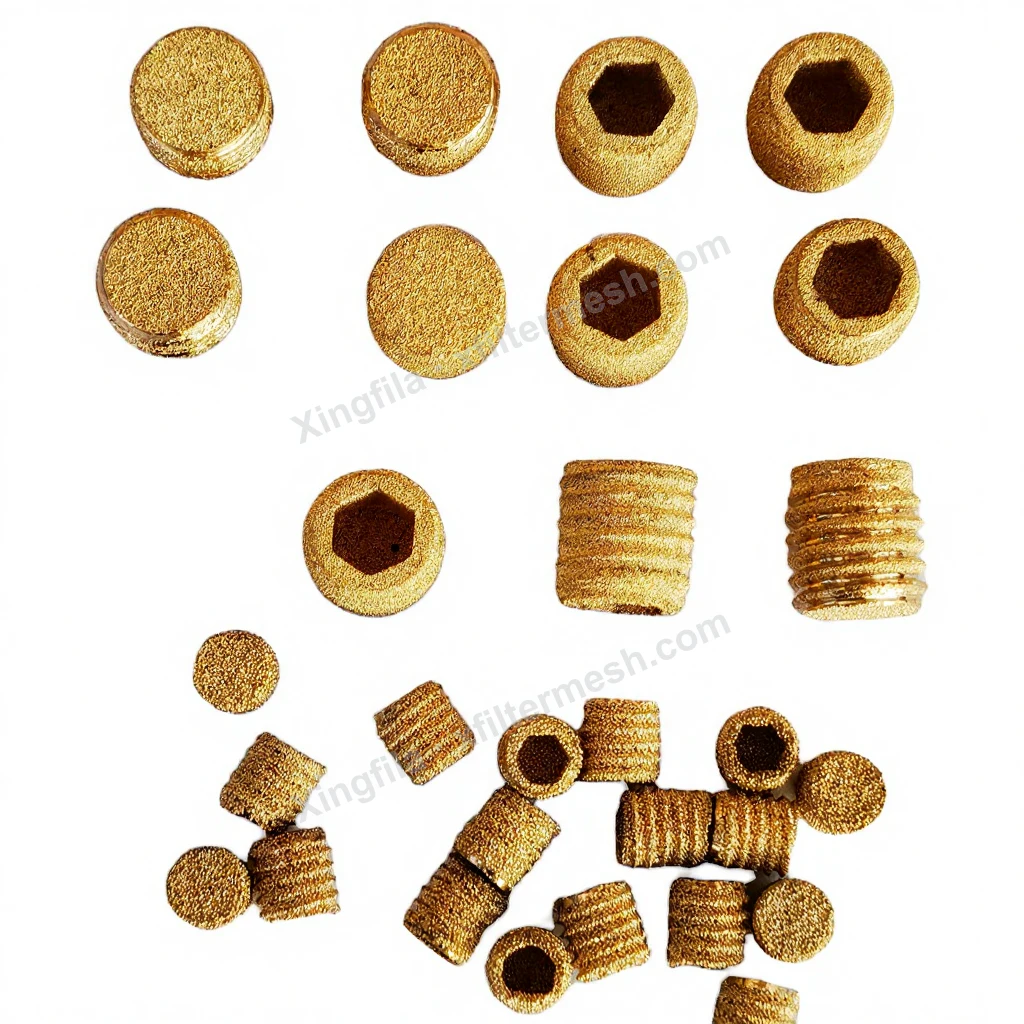
Flush Porous Exhaust Plugs
View construction and selection details.
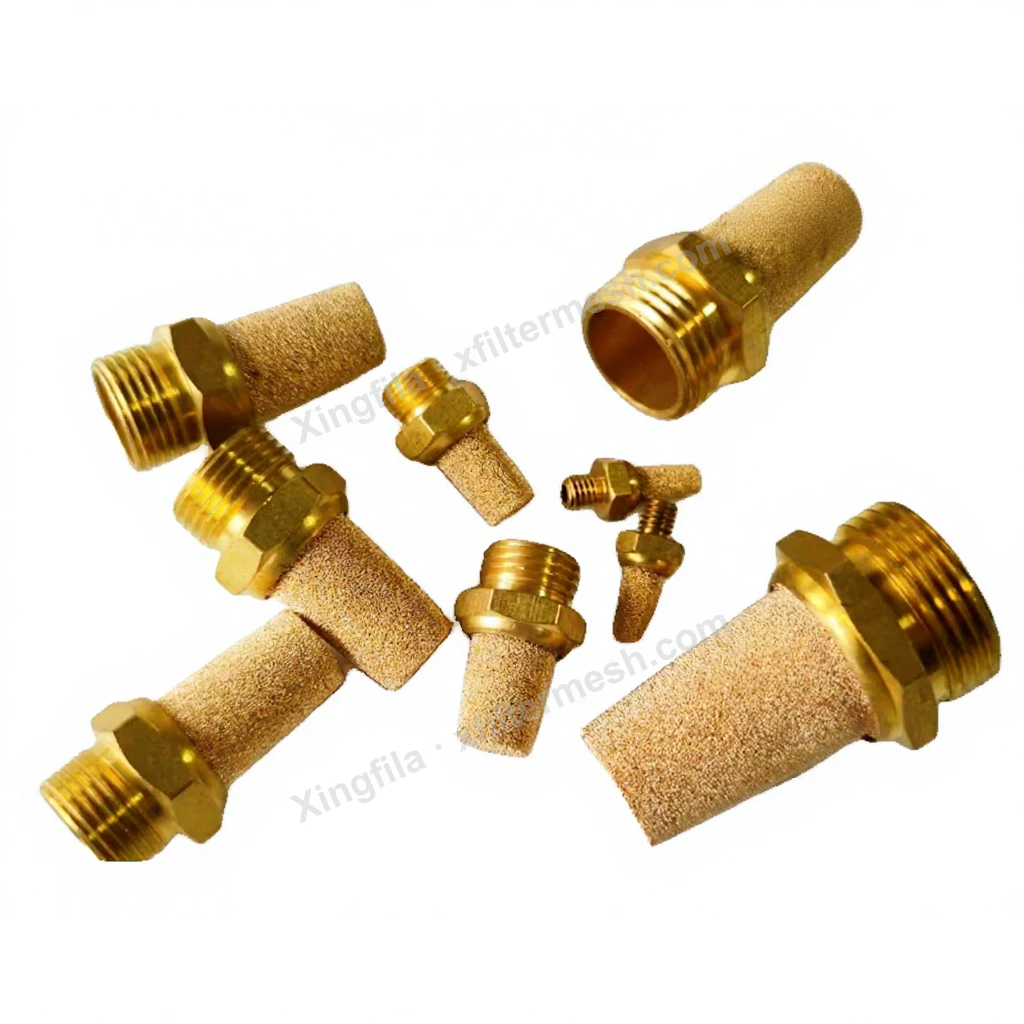
Sintered Metal Pneumatic Silencers
View construction and selection details.