
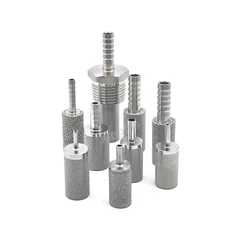
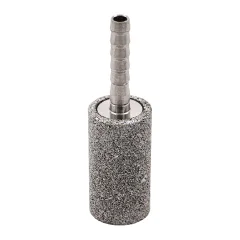
Gas distribution through porous metal
Porous Metal Gas Diffusers
Gas distribution through porous metal. A porous gas diffuser introduces gas into a surrounding liquid through distributed passages in its working surface. Bubble formation depends on the porous structure and actual gas–liquid conditions.
- Distributed gas entry
- Immersed installation
CONSTRUCTION & FUNCTION
Porous gas distribution
A porous gas diffuser introduces gas into a surrounding liquid through distributed passages in its working surface. Bubble formation depends on the porous structure and actual gas–liquid conditions.
Distributed gas entry
Multiple surface passages distribute gas over the active area.
Immersed installation
Connection and working length locate the diffuser at the required liquid position.
Construction-specific maintenance
Remove deposits using a method compatible with the porous body and process liquid.
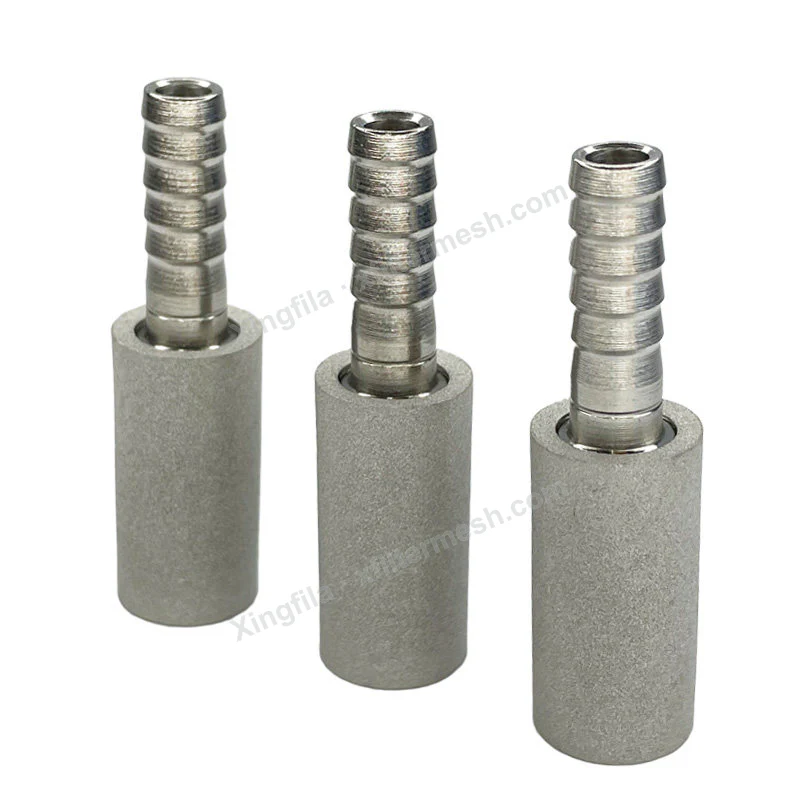
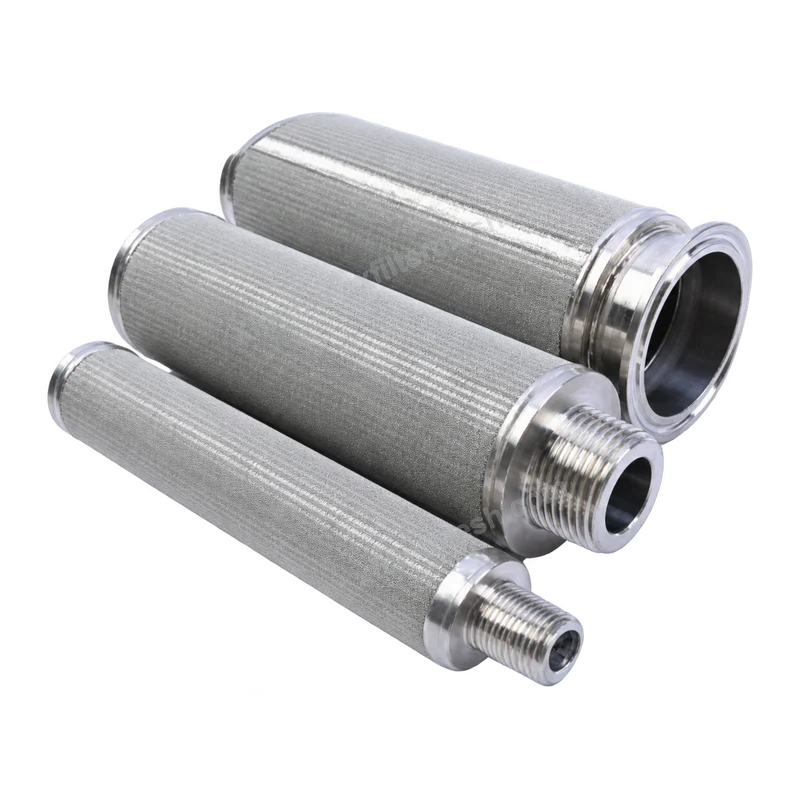
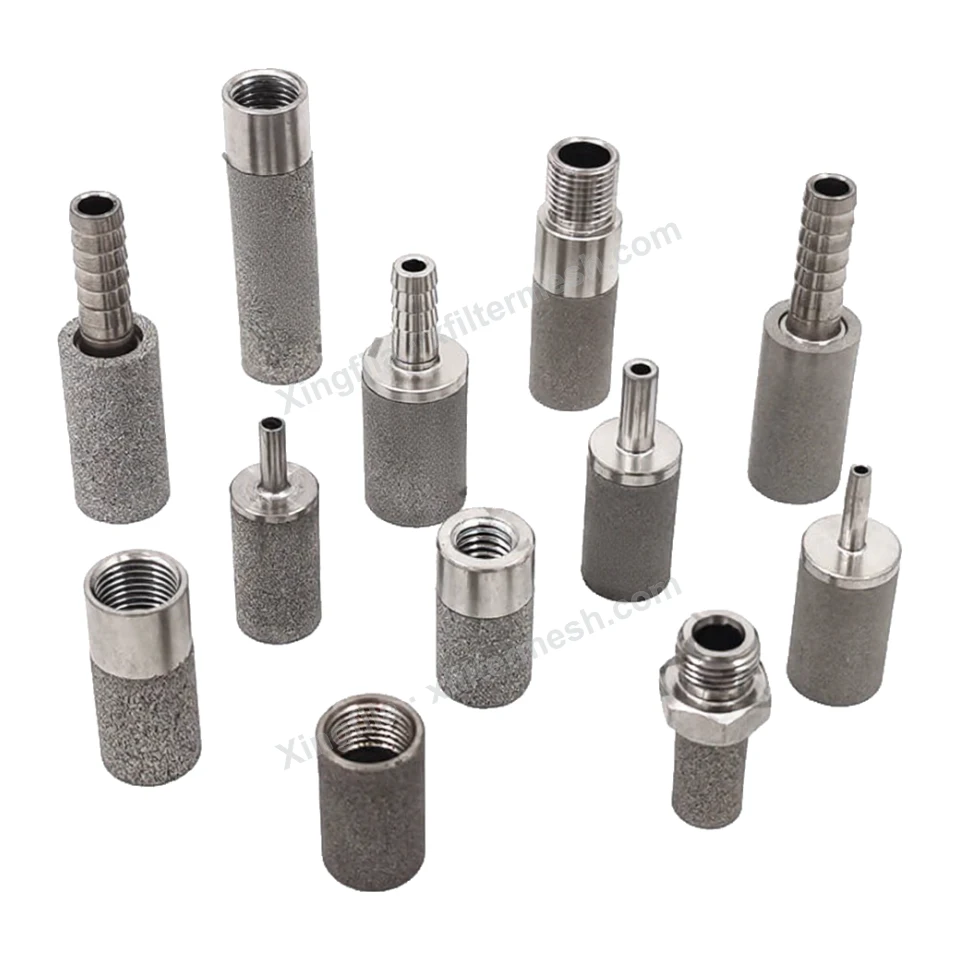
PRODUCT VIEWS
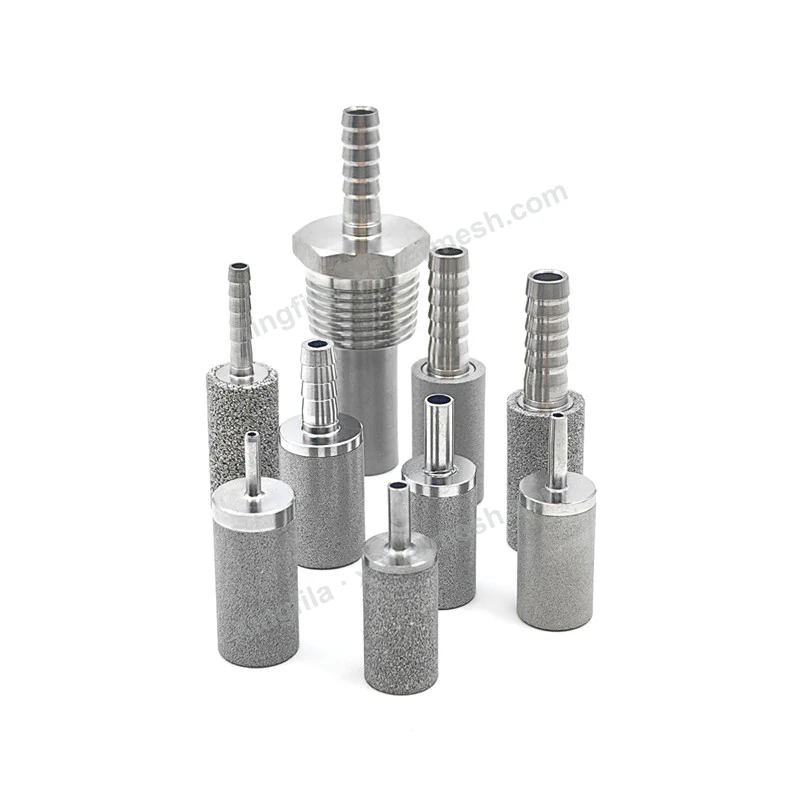
Product construction views
Explore the illustrated forms and component details. Select the construction that matches the intended function and assembly.
SELECTION GUIDE
Duty & maintenance guide
Use these configuration details to define the component for your equipment and process.
| Selection item | What to specify and why |
|---|---|
| Gas and liquid | Specify gas identity, liquid properties and process compatibility. |
| Flow and depth | Include gas flow, immersion depth and available pressure. |
| Porous geometry | Define active area, pore construction and mounting connection. |
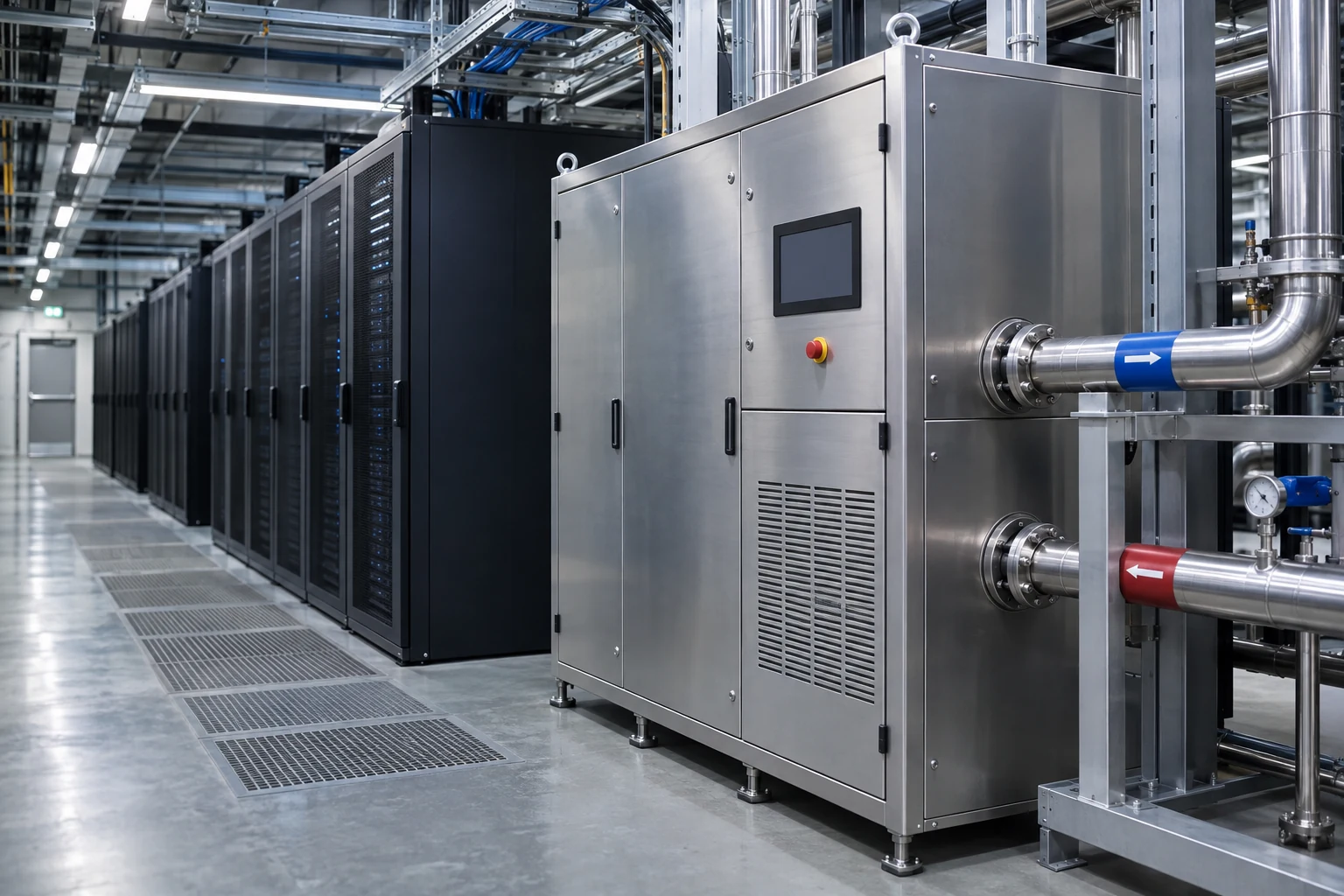
APPLICATION
Process applications
Select the construction around the installation, process stream and maintenance method.
Gas distribution through porous metal
Immersed in a process liquid, the diffuser receives gas through its inlet and distributes it across the porous working surface. Gas emerges into the liquid as bubbles, creating gas–liquid contact at the installed injection position.
- 01Gas supply
- 02Porous diffuser
- 03Bubbles in liquid
TECHNICAL QUESTIONS
Selection questions, answered
Gas distribution through porous metal
Is pore size equal to the bubble diameter?
No. Gas rate, surface wetting, liquid properties and immersion conditions also influence the bubbles formed.
What should be checked for this configuration?
Specify gas flow, liquid properties and immersion depth. Bubble formation depends on the porous surface and the gas-liquid conditions, so pore size is not equal to a guaranteed bubble diameter.
How should this component be maintained?
Remove deposits using a method compatible with the porous body and process liquid.
LET’S DEFINE YOUR REQUIREMENT
Let’s specify your product.
Send the product reference or selected photo, installation dimensions, operating conditions and quantity. Include the mating equipment or housing details so the proposal addresses the actual fit.
Porous Metal Gas Diffusers
RELATED CONSTRUCTIONS
Compare related products.
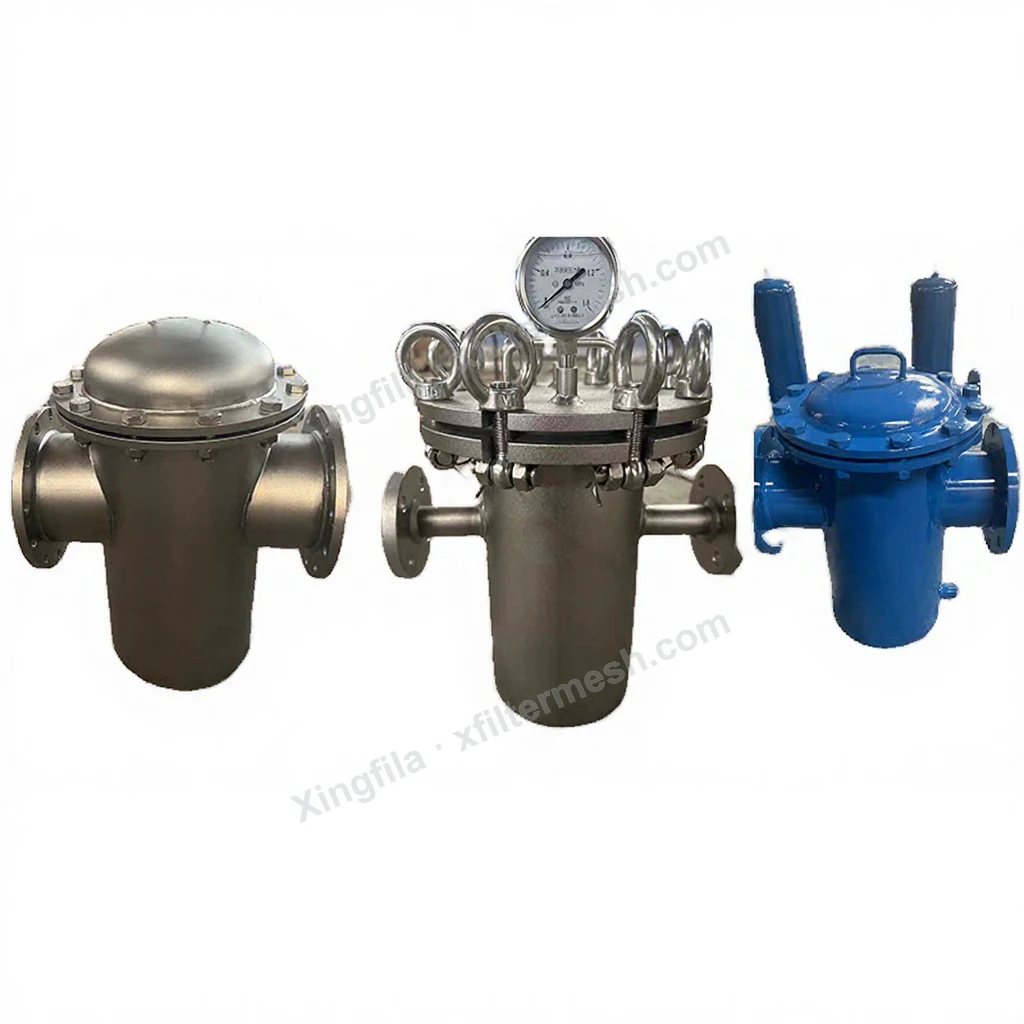
Basket Pipeline Strainers
View construction and selection details.
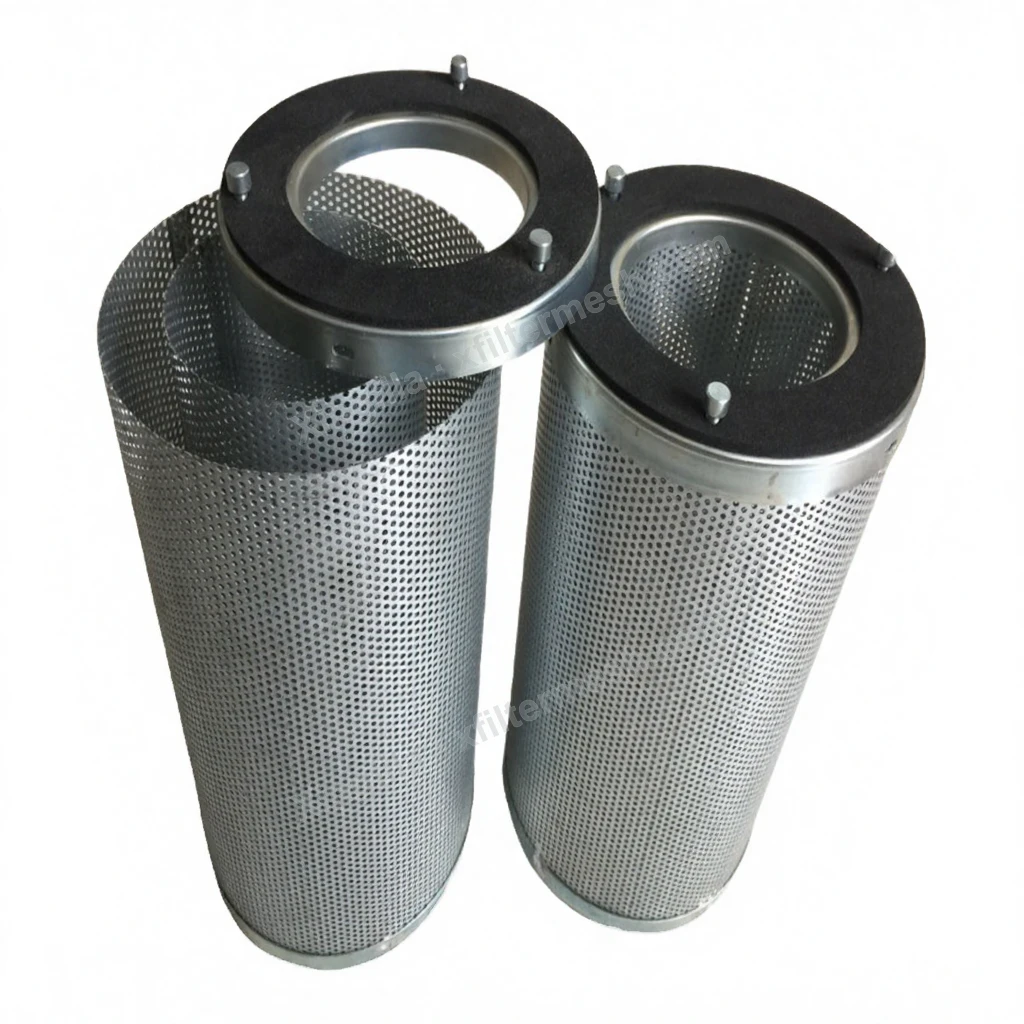
Activated-carbon Filter Cartridges
View construction and selection details.
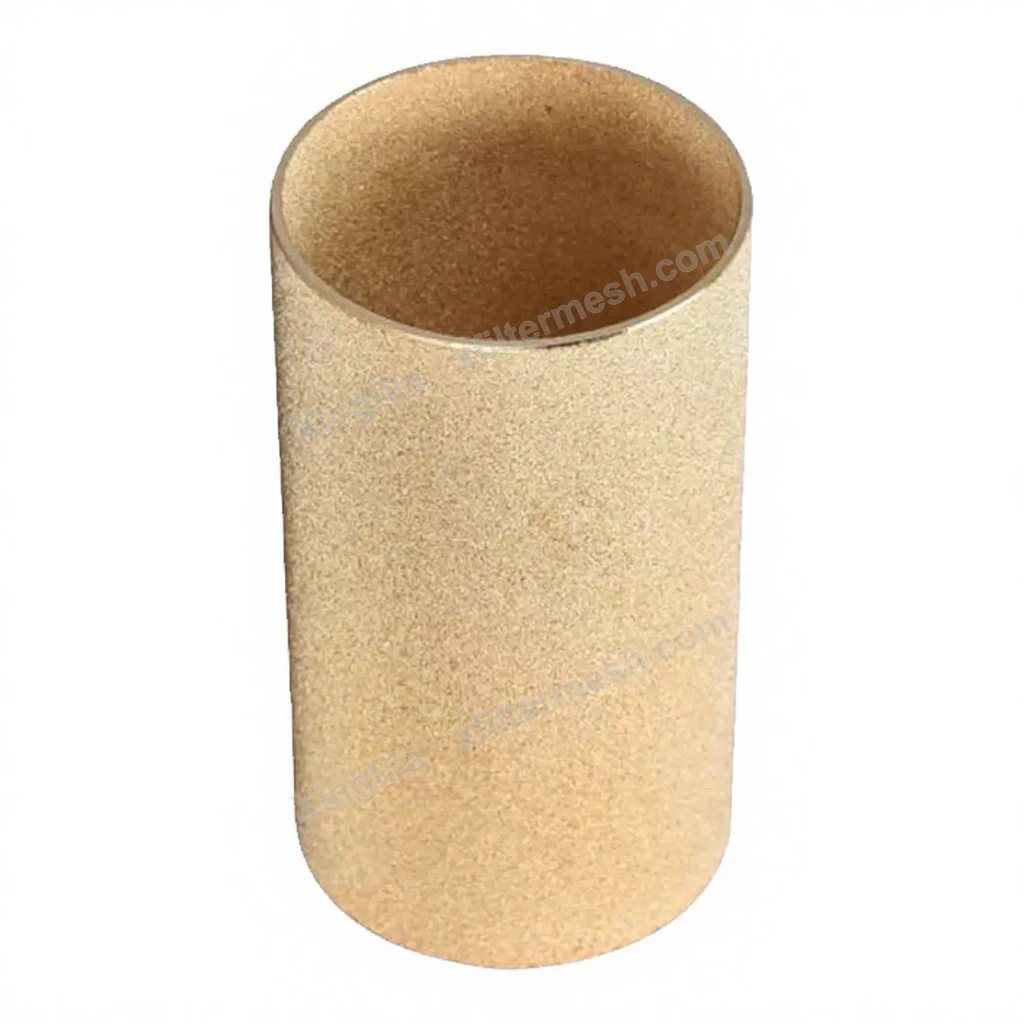
Air-supply Filter Elements
View construction and selection details.