
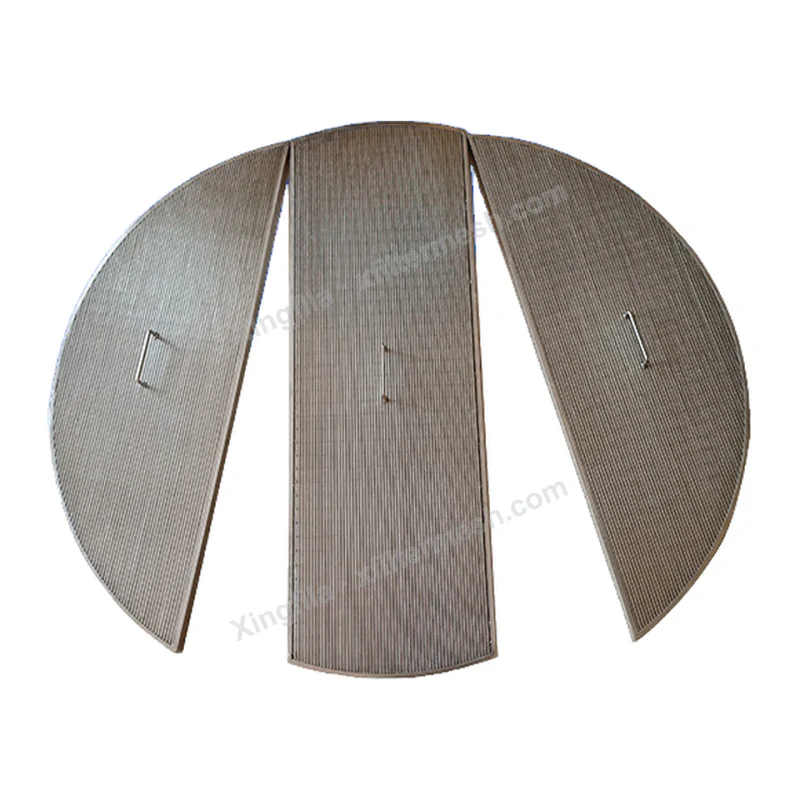
Curved Wedge Wire Screens
A curved wedge-wire surface provides continuous screening slots for solid-liquid separation. Panel curvature and working-face orientation are selected around the separation equipment's installation geometry.
Explore by product form or practical application.
Start with a photo or tell us what you need to filter.
Talk to our team ↗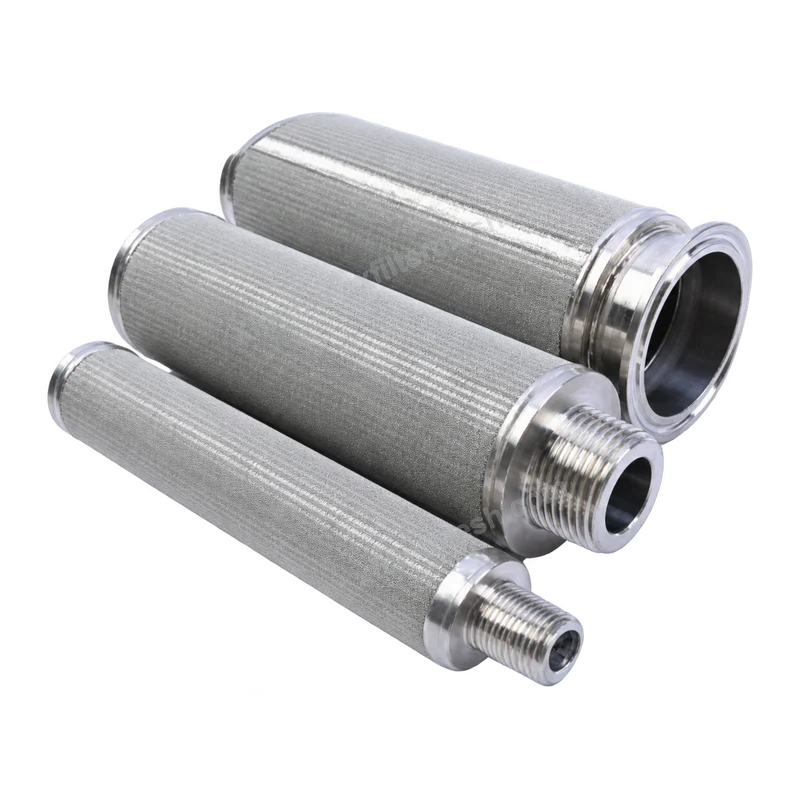
Rigid, cleanable filter elements made from multilayer sintered mesh.
Explore this series ↗Explore by process medium or equipment context.
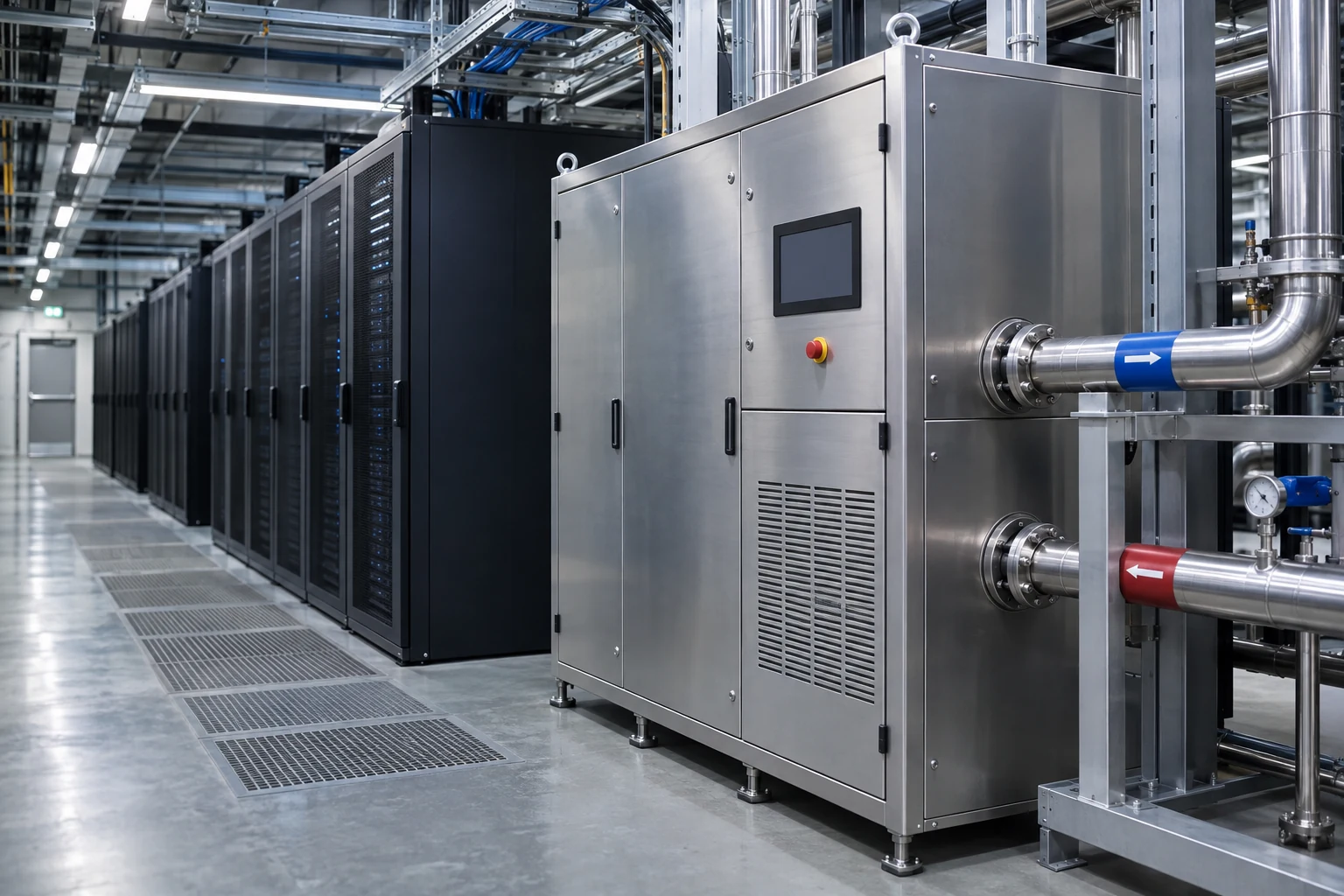
Explore the operating duty, product forms and details to discuss with our team.
View all applicationsOur own fabrication and Anping’s specialist supply network.
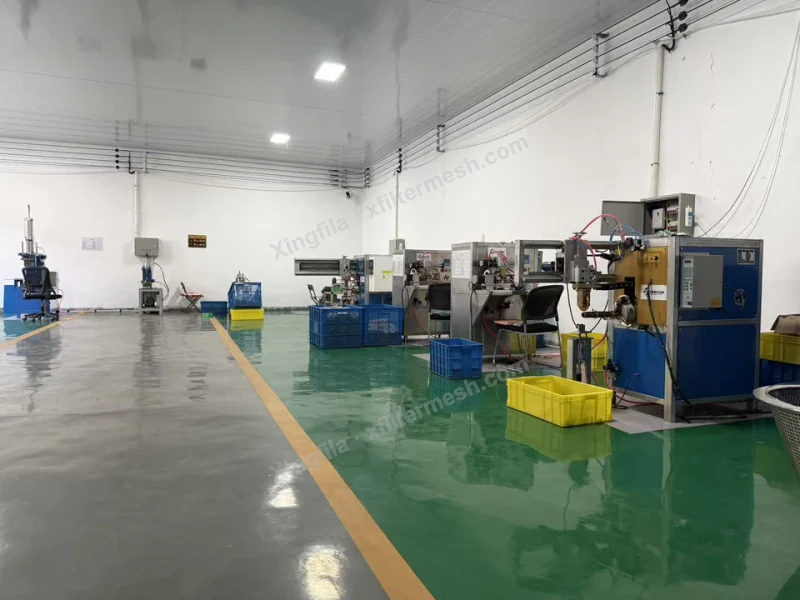
Bring related filtration requirements together through Xingma.
Explore our approachPractical notes for selection, specification and inquiry.
Send the product reference or application to our team.
Ask a question
Practical notes to help you describe and discuss a filtration requirement.
Browse selection notesA filtration partner based in Anping, China.
Filter elements, mesh components and filtration materials.
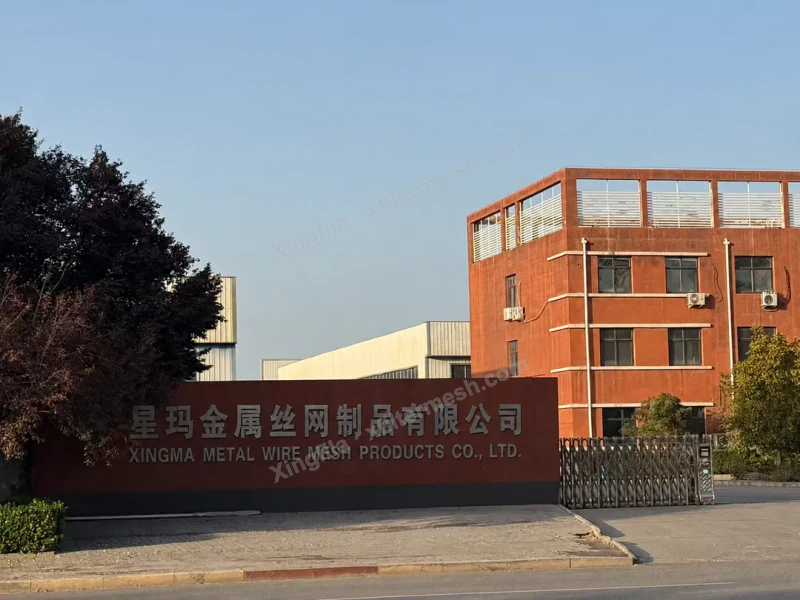
Xingma’s own facility, supported by local filtration expertise.
Meet our companySearch our products, applications and technical guidance.
Filter elements, mesh components, filtration materials and related assemblies.
16 product types / styles
A curved wedge-wire surface provides continuous screening slots for solid-liquid separation. Panel curvature and working-face orientation are selected around the separation equipment's installation geometry.
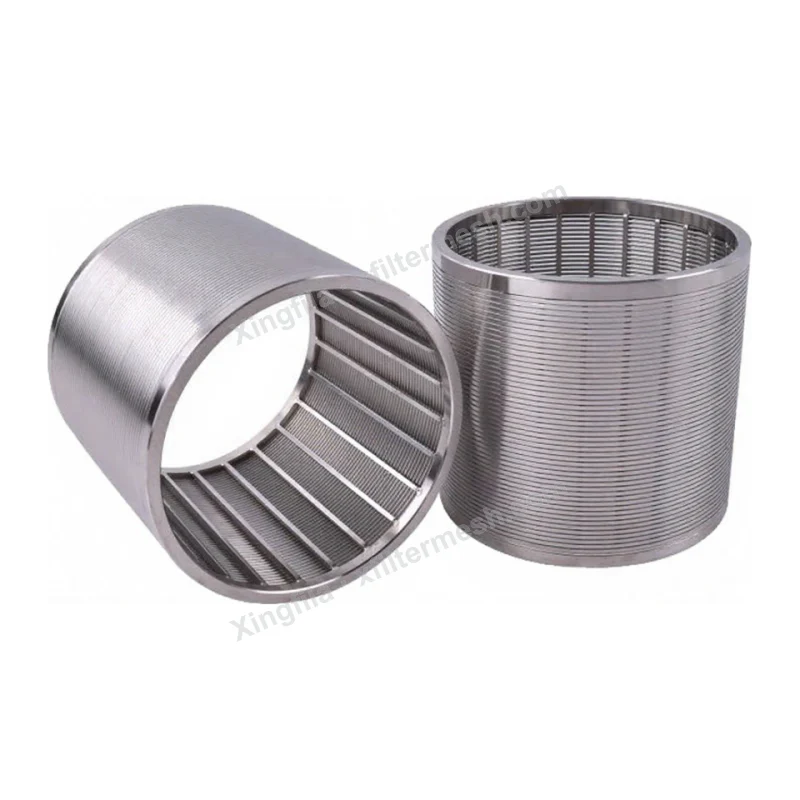
Reverse-wound screens place the defined working face on the inside of the screen body. Wire orientation and internal clearances matter when integrating the screen with the equipment flow path.
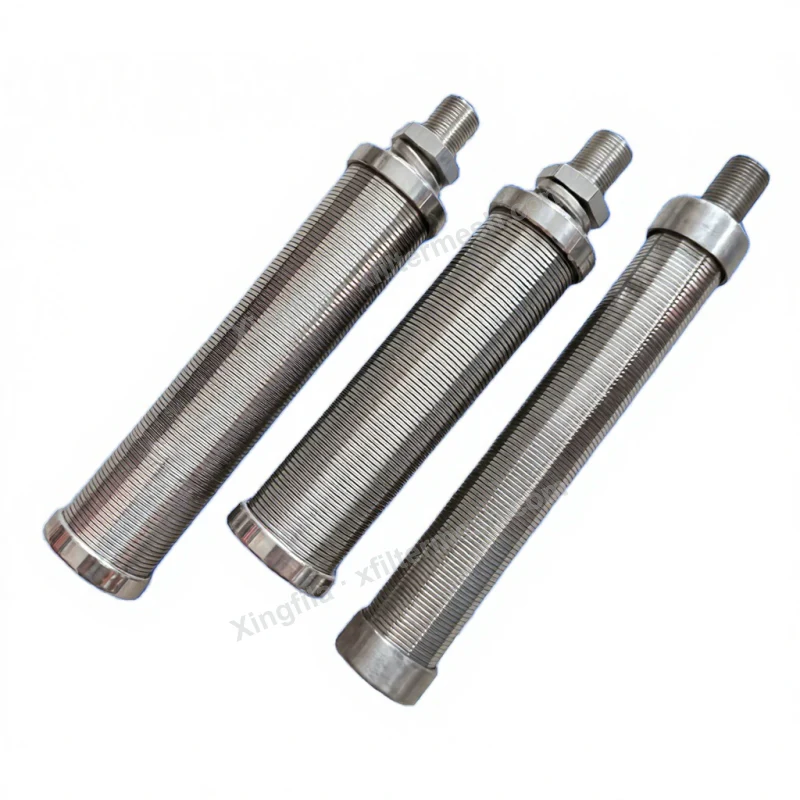
Continuous-slot screen elements fit within a matching filtration assembly. The screen body, end arrangement and working face are specified together for the housing and flow path.
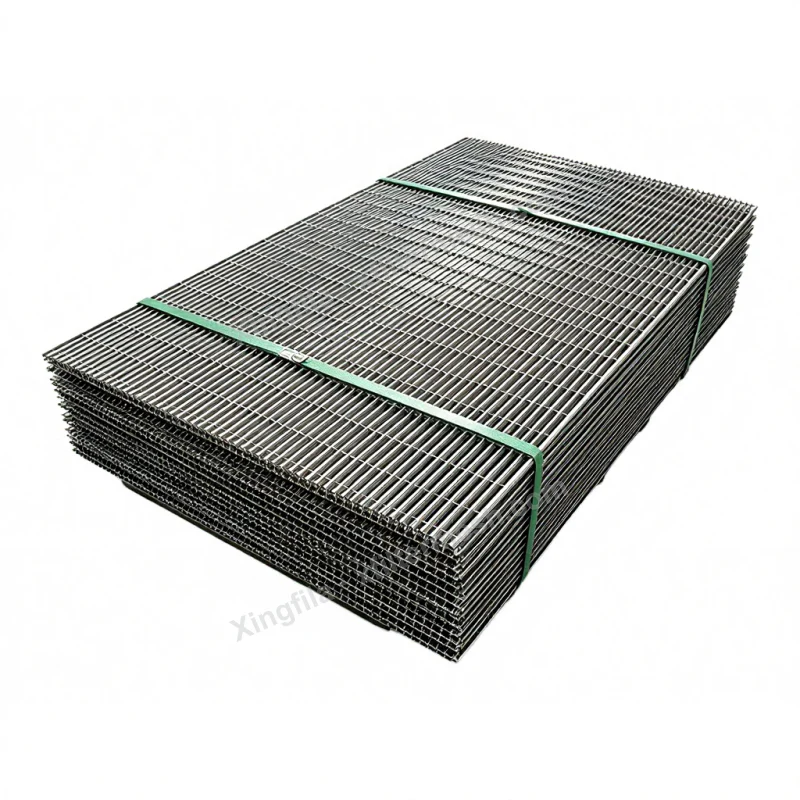
Flat wedge-wire panels form a slotted screening surface for process equipment. Panel outline and supporting members provide a different mounting format from cylindrical filter elements.
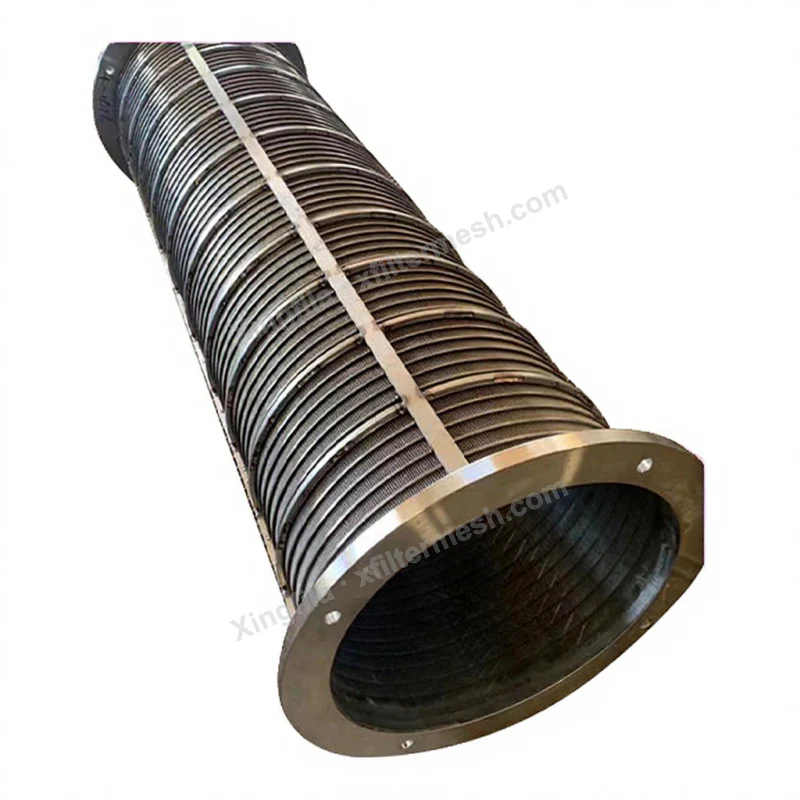
Cylindrical slot screens separate solids from liquid in process equipment. The cylinder provides the screening surface, with slot layout and supports selected for the separation arrangement.
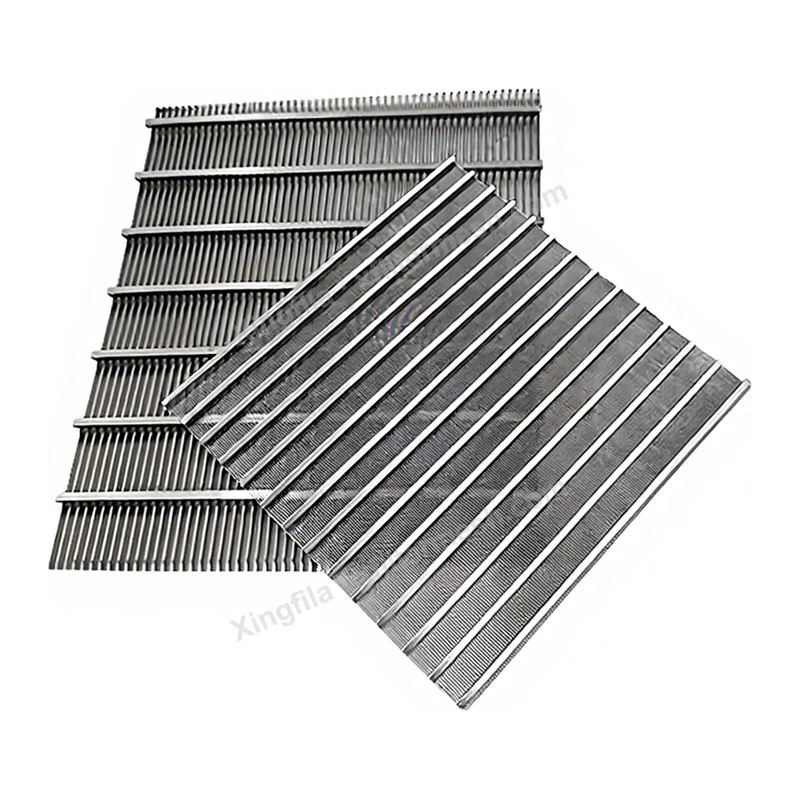
Compare wedge-wire screen shapes for equipment integration. Body profile, slot orientation and mounting details distinguish the forms while retaining the continuous-slot screening principle.
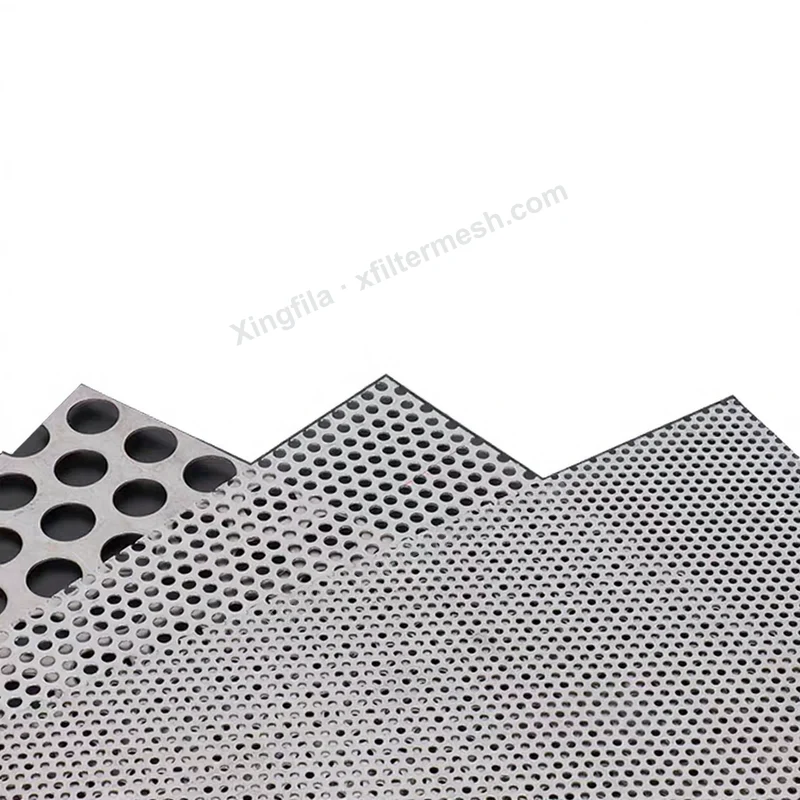
Perforated sheet provides a flat metal surface with a repeated opening pattern. It can act as a screening panel or be fabricated into supports for another filter medium.
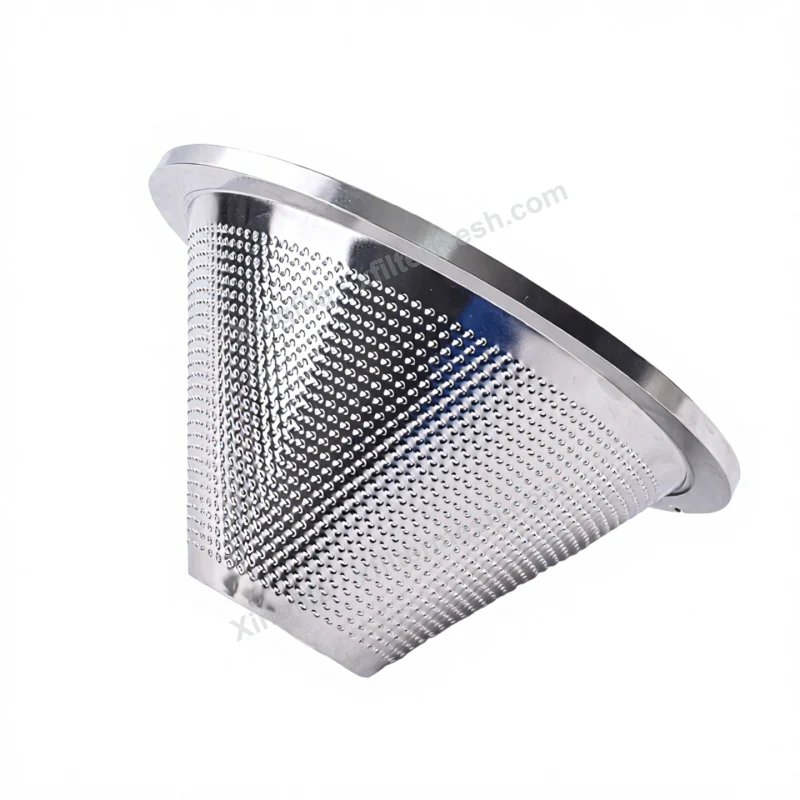
A mill screen controls the passage of processed material through the equipment's discharge surface. Screen openings work together with rotor action, feed properties and process settings.
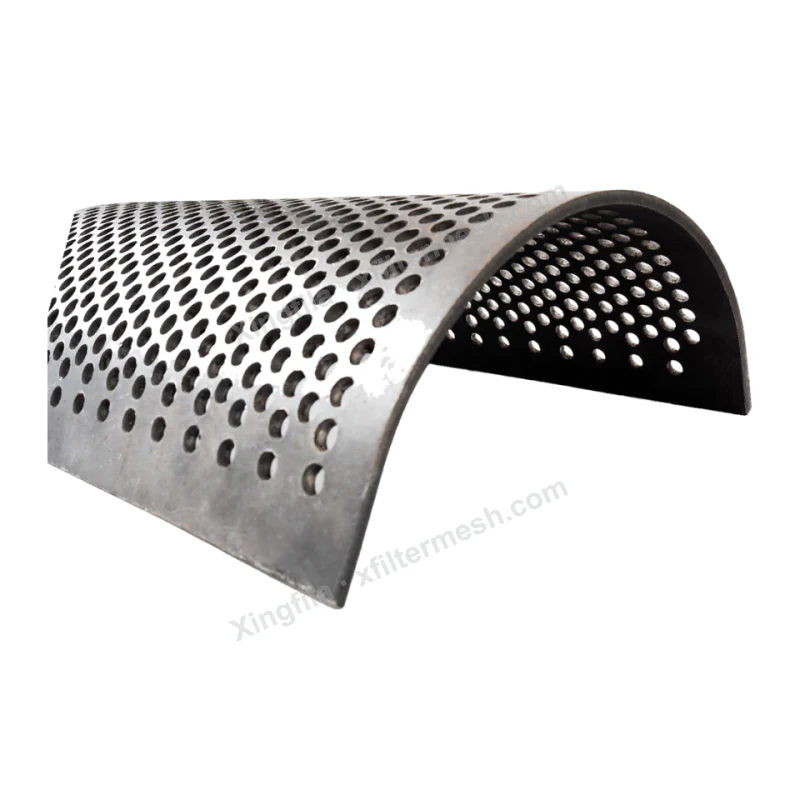
A mill screen controls the passage of processed material through the equipment's discharge surface. Screen openings work together with rotor action, feed properties and process settings.
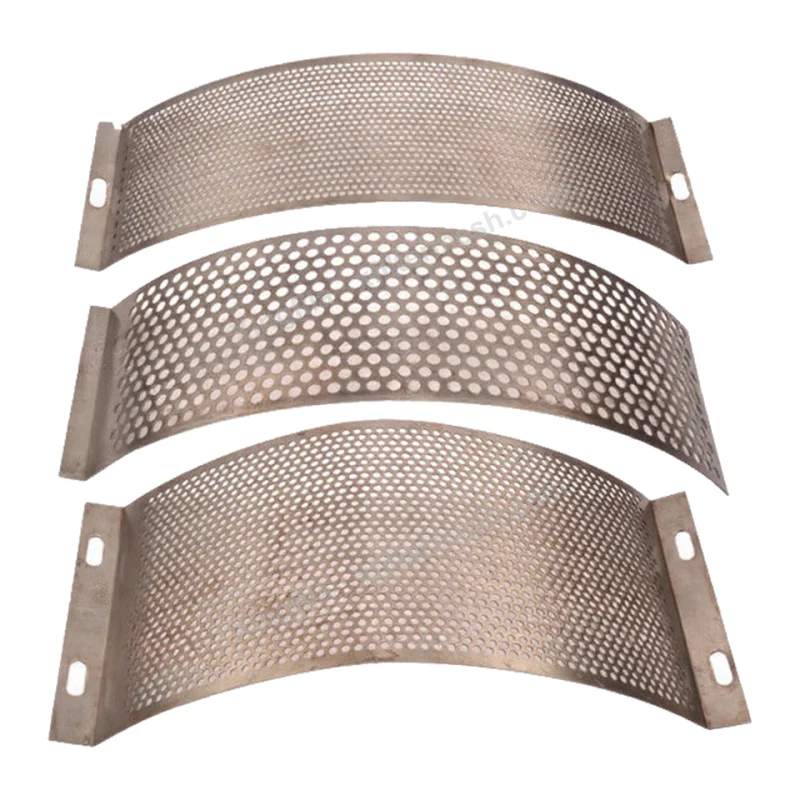
A mill screen controls the passage of processed material through the equipment's discharge surface. Screen openings work together with rotor action, feed properties and process settings.
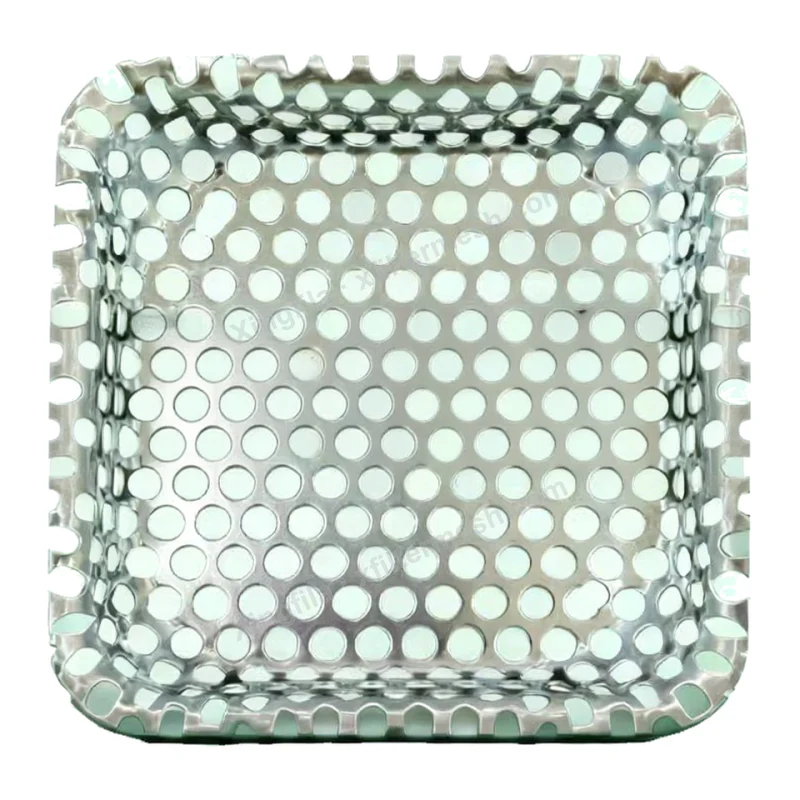
A mill screen controls the passage of processed material through the equipment's discharge surface. Screen openings work together with rotor action, feed properties and process settings.
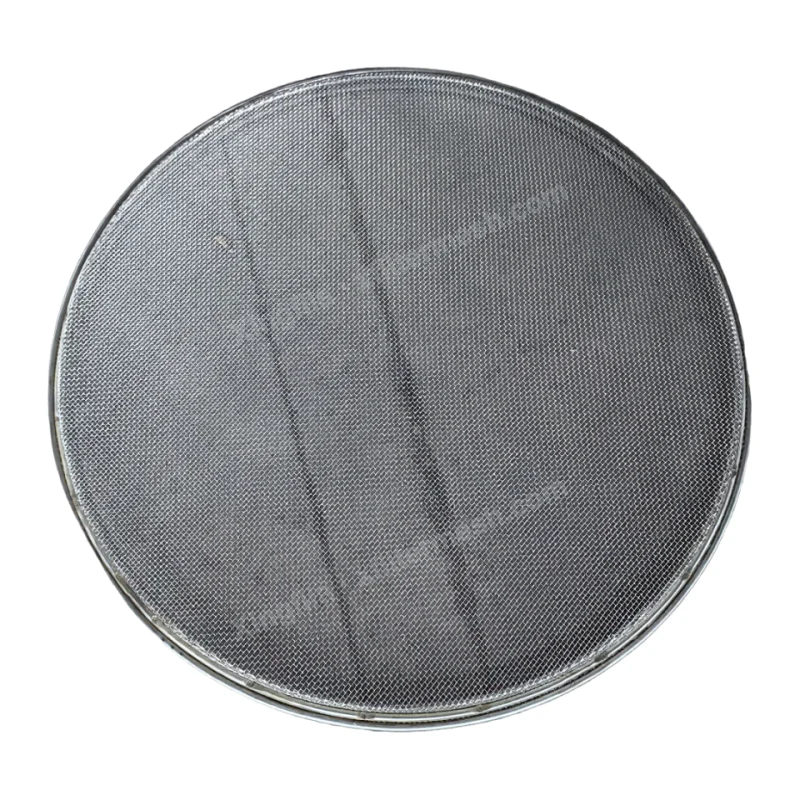
A vibrating screen separates material as machine motion brings particles into contact with the working mesh. Aperture, tension and support must be matched to the screen deck and the processed material.
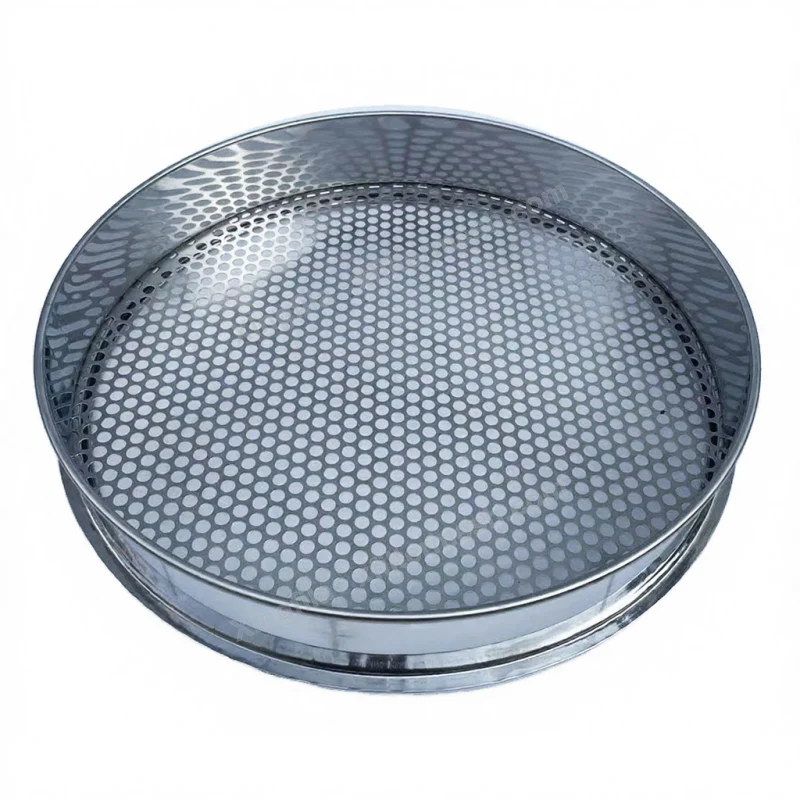
A grading sieve separates material through a defined opening pattern. The retained and passing fractions depend on the sieve geometry and how the material is presented to the screen.
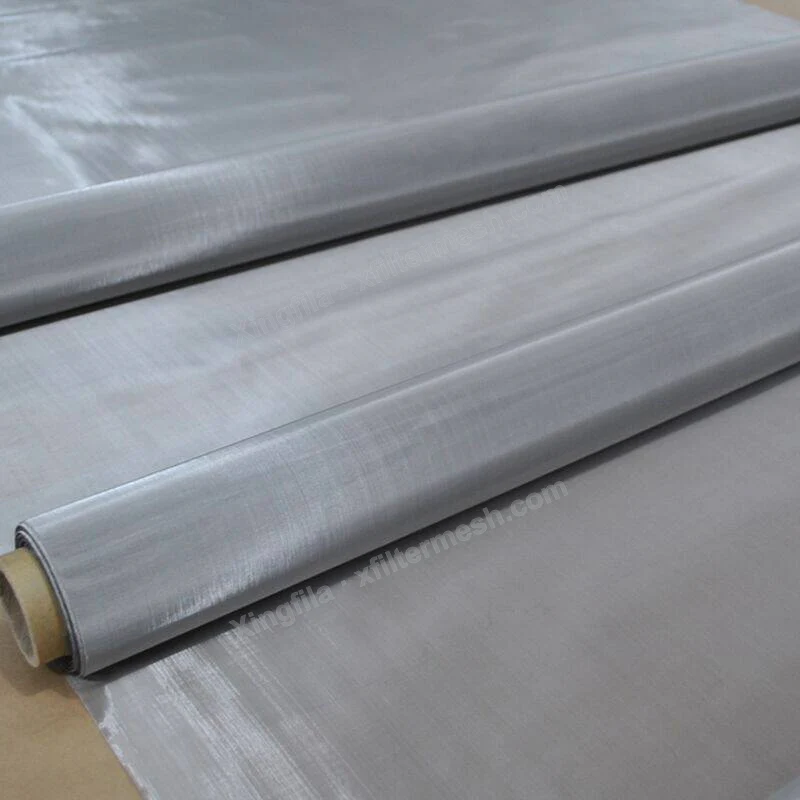
A vibrating screen separates material as machine motion brings particles into contact with the working mesh. Aperture, tension and support must be matched to the screen deck and the processed material.
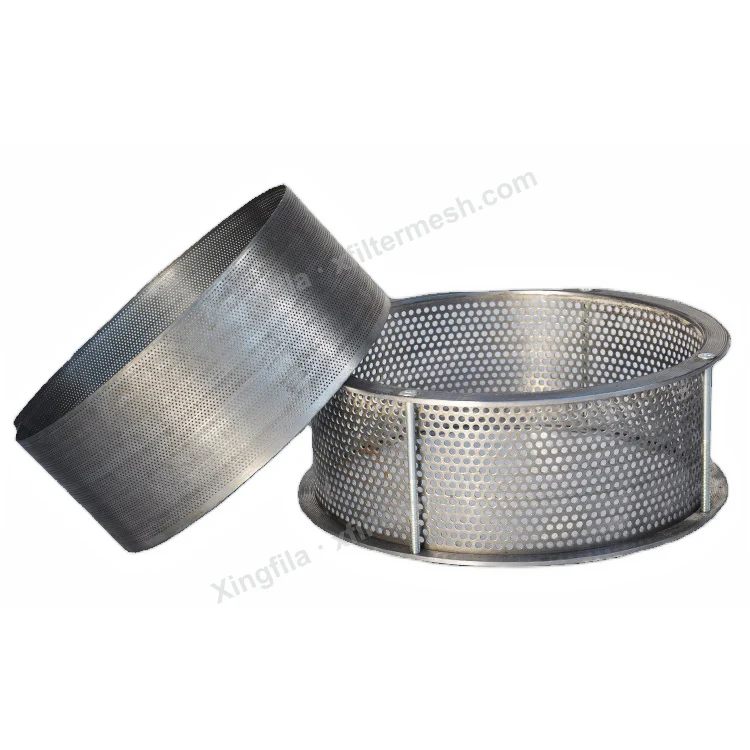
A mill screen controls the passage of processed material through the equipment's discharge surface. Screen openings work together with rotor action, feed properties and process settings.
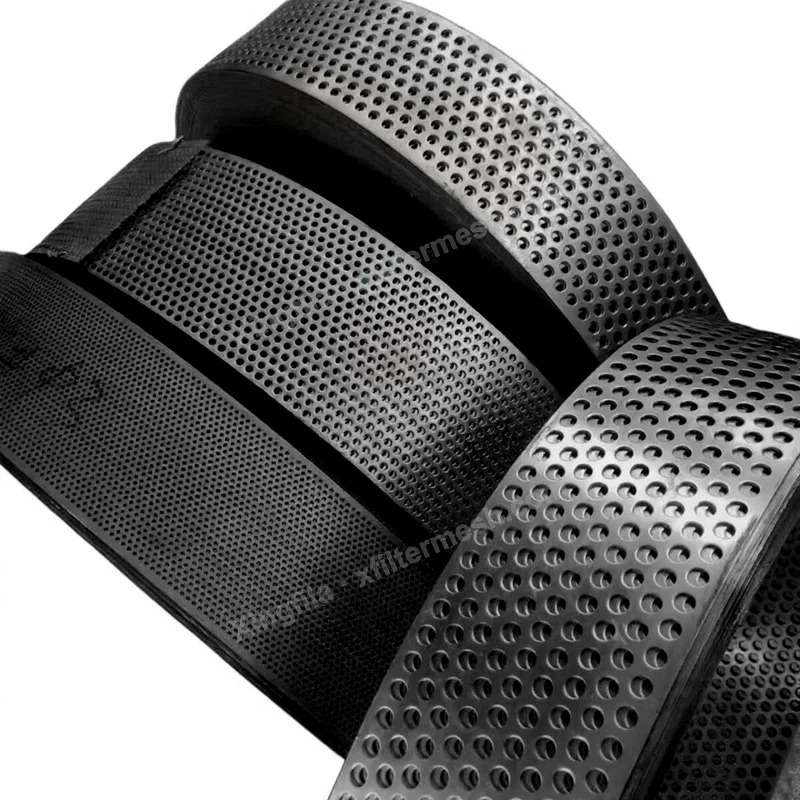
A mill screen controls the passage of processed material through the equipment's discharge surface. Screen openings work together with rotor action, feed properties and process settings.