
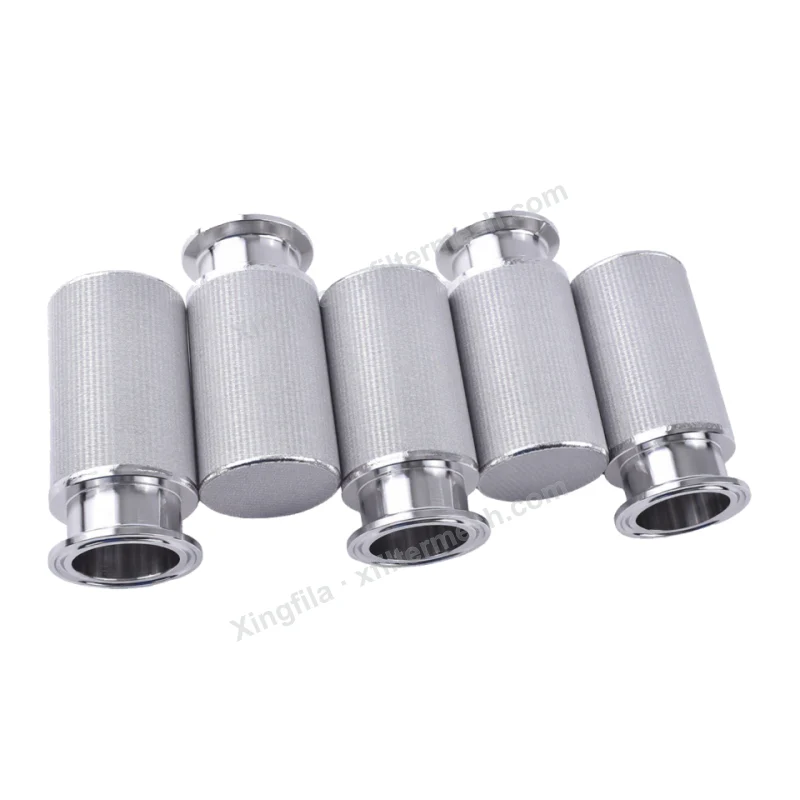
Clamp-end Sintered Mesh Elements
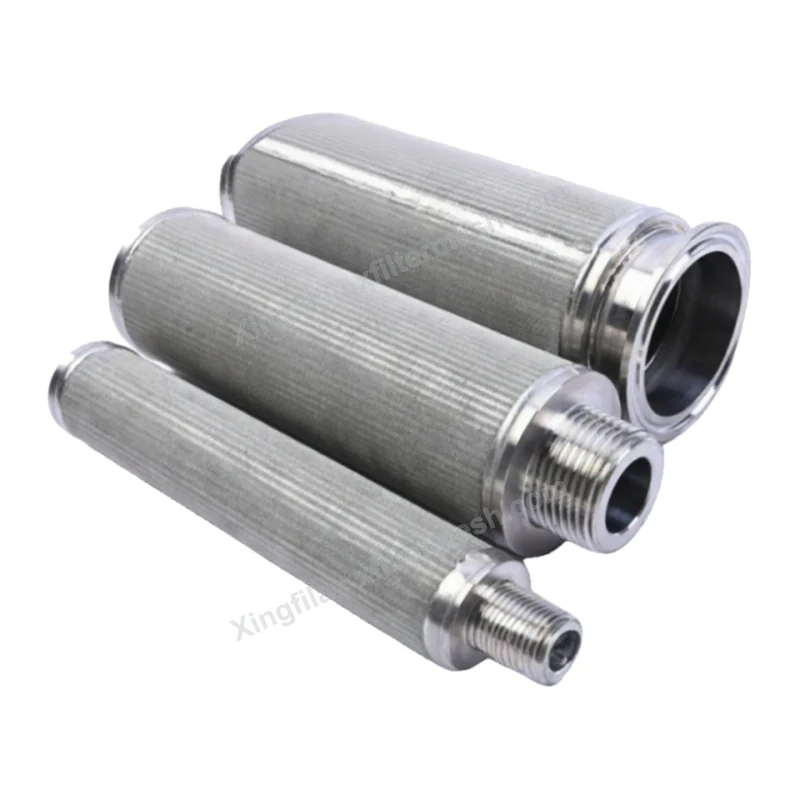
Clamp-end connections provide access for element removal. Match the ferrule, seal and end configuration to the equipment; sintered mesh forms the rigid filtering wall.
Explore by product form or practical application.
Start with a photo or tell us what you need to filter.
Talk to our team ↗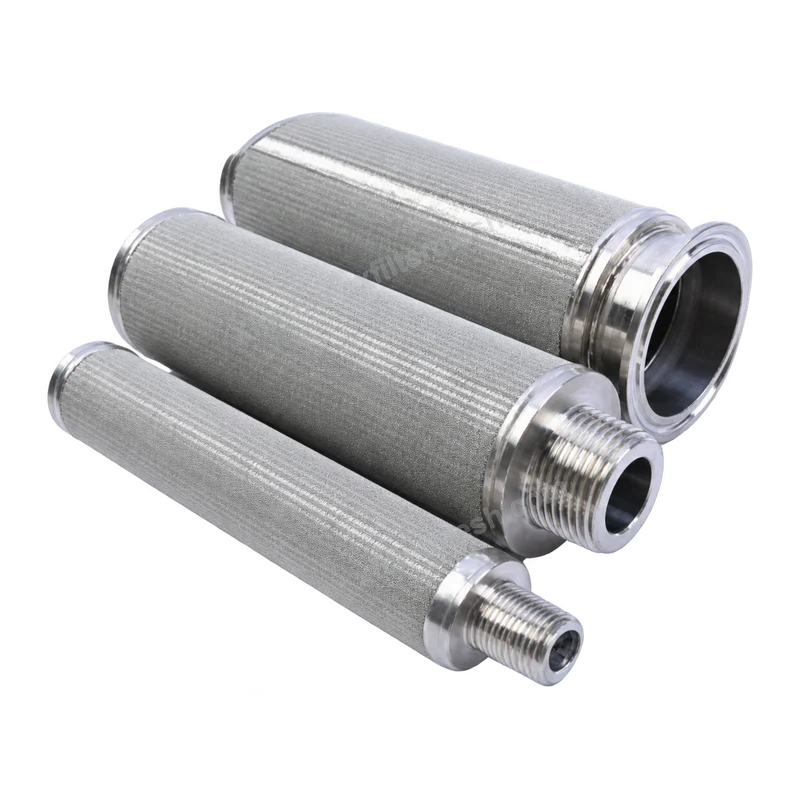
Rigid, cleanable filter elements made from multilayer sintered mesh.
Explore this series ↗Explore by process medium or equipment context.
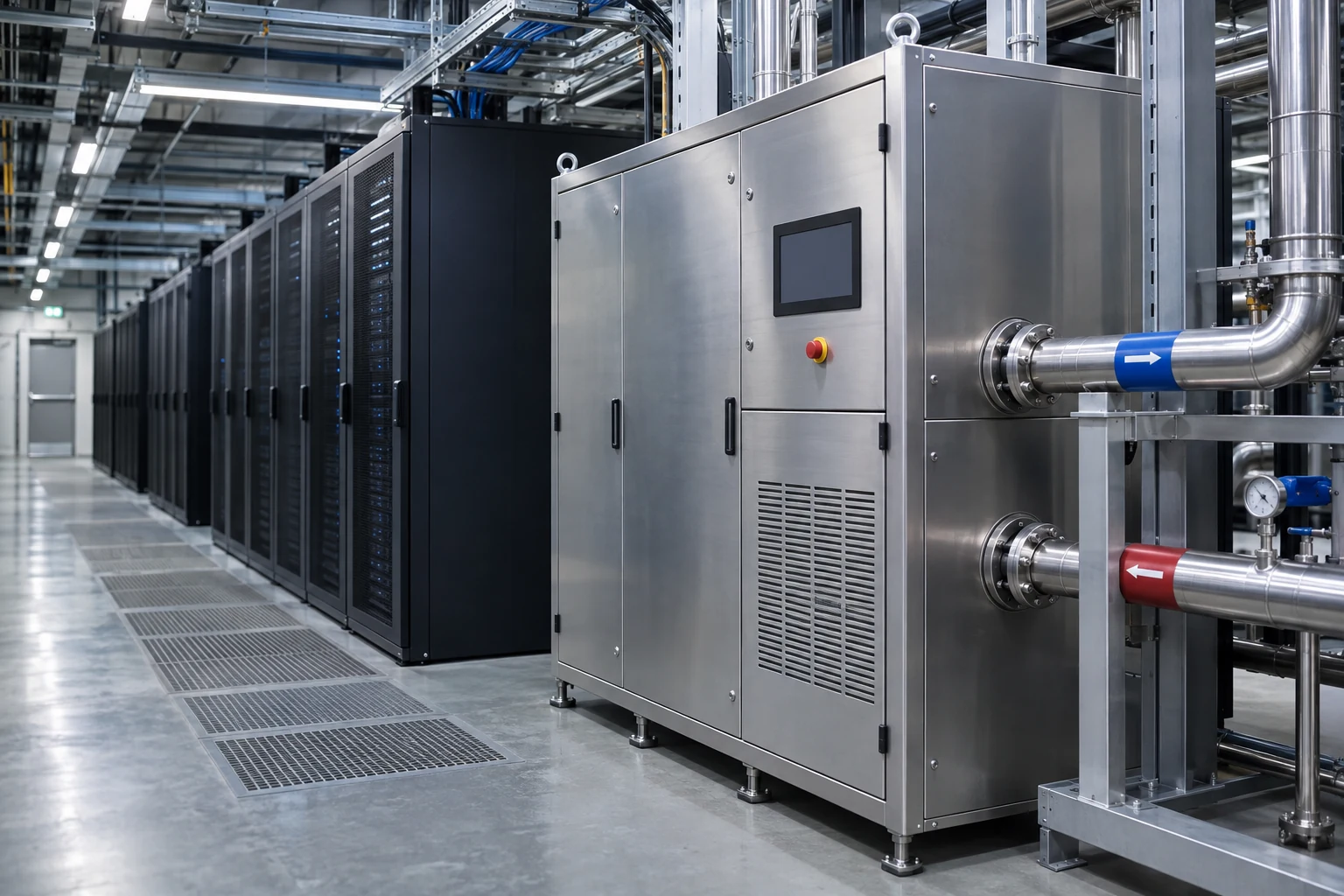
Explore the operating duty, product forms and details to discuss with our team.
View all applicationsOur own fabrication and Anping’s specialist supply network.
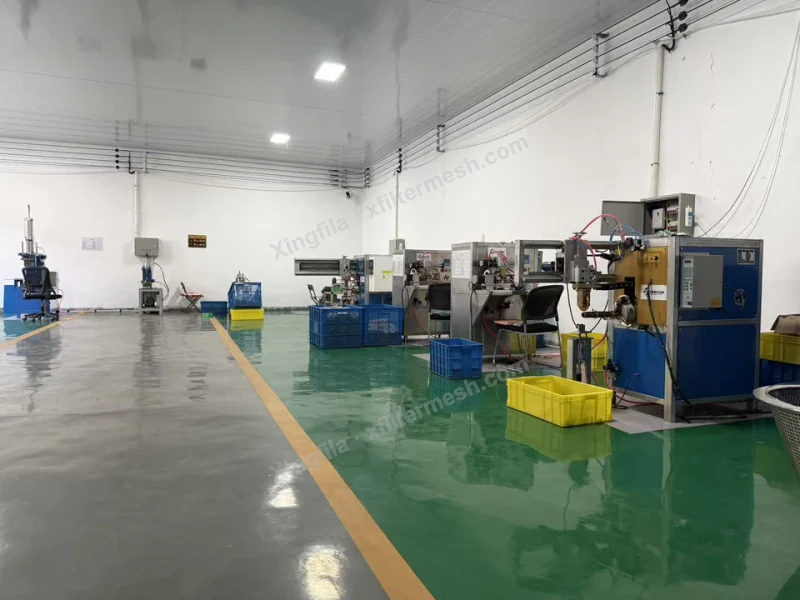
Bring related filtration requirements together through Xingma.
Explore our approachPractical notes for selection, specification and inquiry.
Send the product reference or application to our team.
Ask a question
Practical notes to help you describe and discuss a filtration requirement.
Browse selection notesA filtration partner based in Anping, China.
Filter elements, mesh components and filtration materials.
Xingma’s own facility, supported by local filtration expertise.
Meet our companySearch our products, applications and technical guidance.
Filter elements, mesh components, filtration materials and related assemblies.
41 product types / styles
Clamp-end connections provide access for element removal. Match the ferrule, seal and end configuration to the equipment; sintered mesh forms the rigid filtering wall.
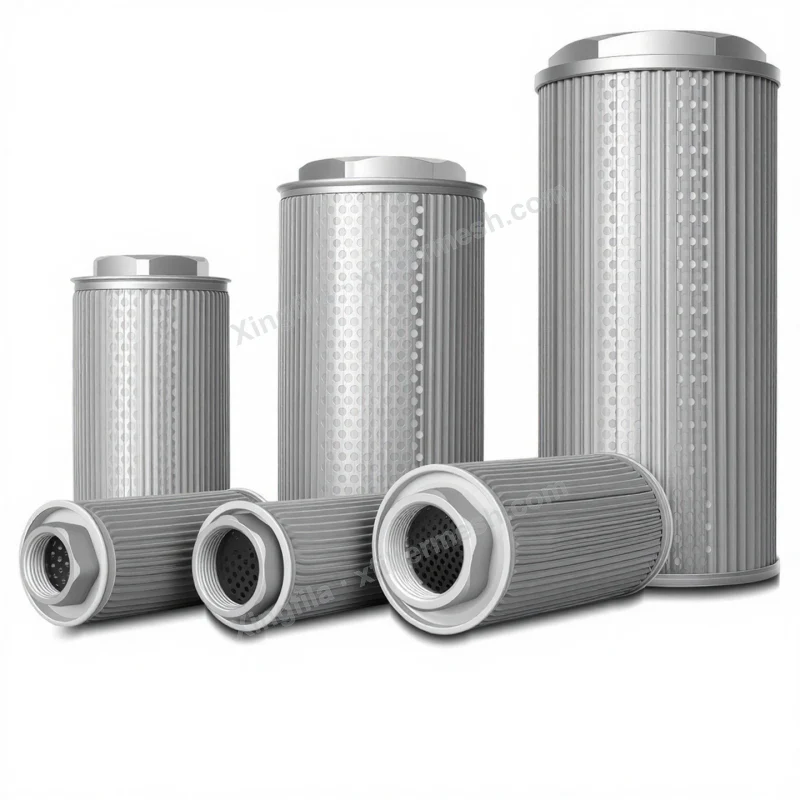
Pleated metal media adds filtering area within a compact cylindrical body. The media pack, support core and end seals work together to direct flow through the filtering surface.
Compare cylindrical bodies, open or closed ends and connection forms. Choose the geometry and support arrangement for the housing, flow path and cleaning access.
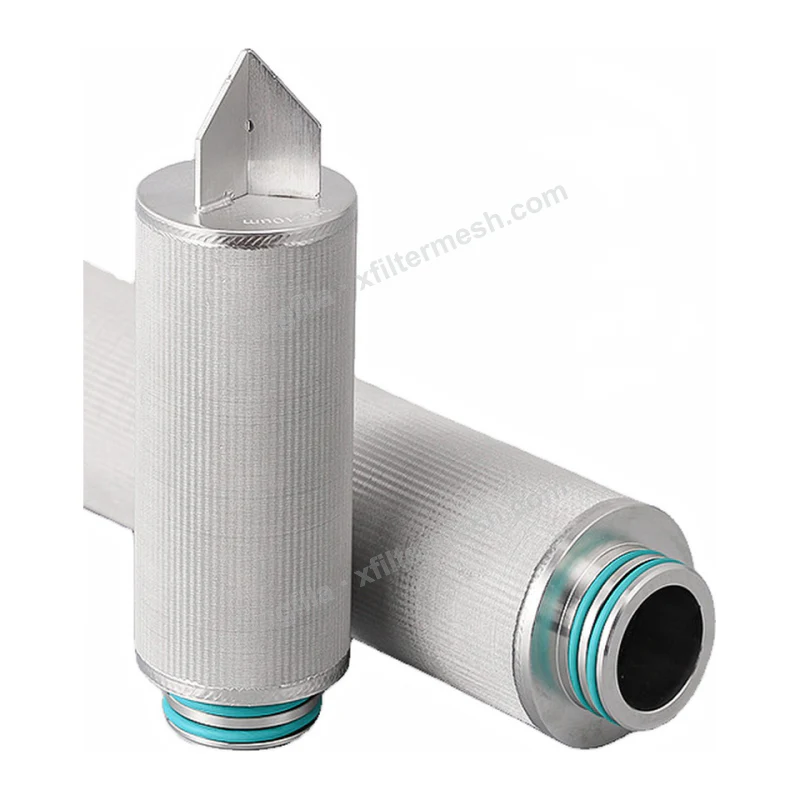
Rigid sintered mesh retains solid particles in gas flow paths. Assess gas compatibility, pressure drop, seals and the defined particle-retention requirement.
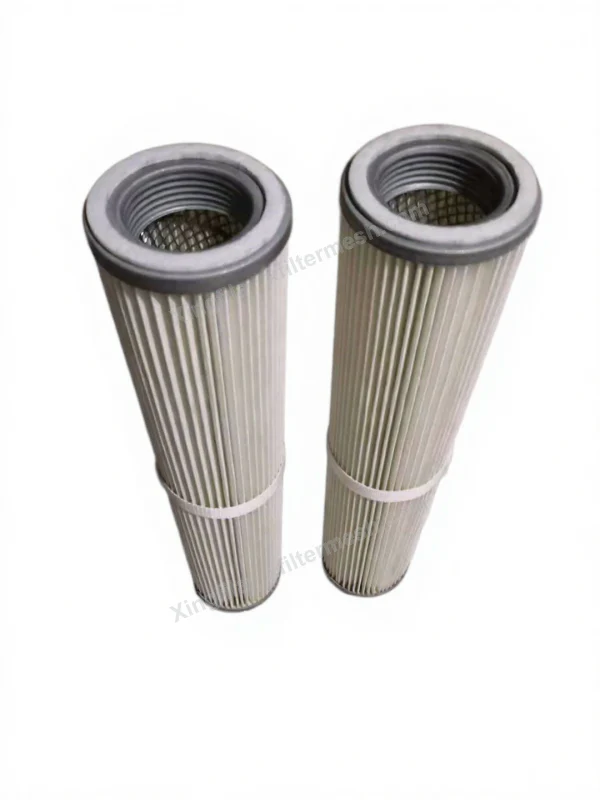
Cartridges separate dust from the extraction air associated with drilling equipment. The media, end caps and mounting seals form the dust collector's replaceable filtering unit.
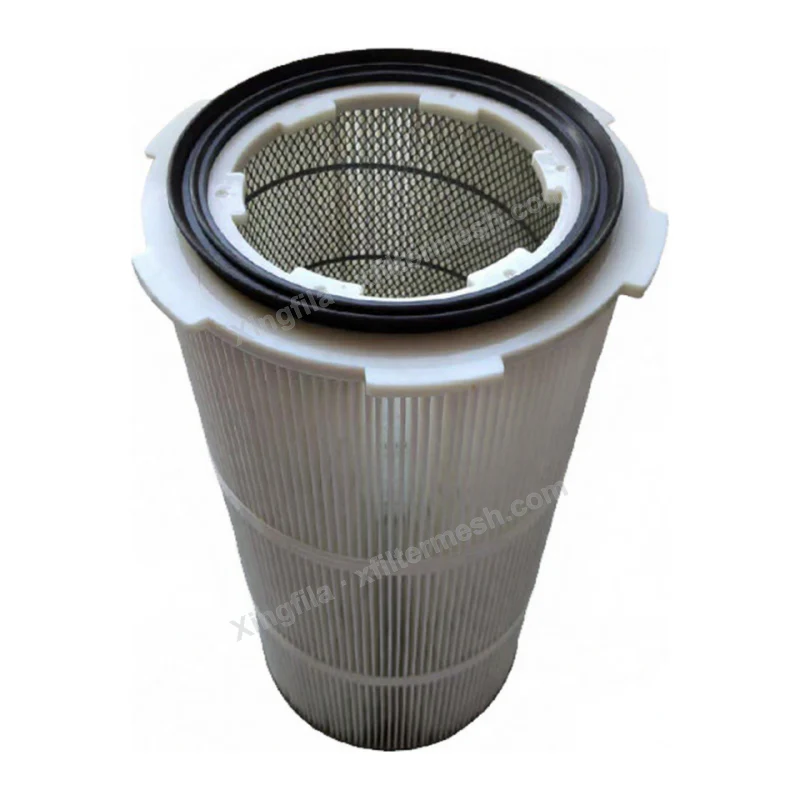
Industrial dust-collector cartridges separate airborne particles through a porous medium. End caps locate the cartridge and seal the airflow path within the collector.
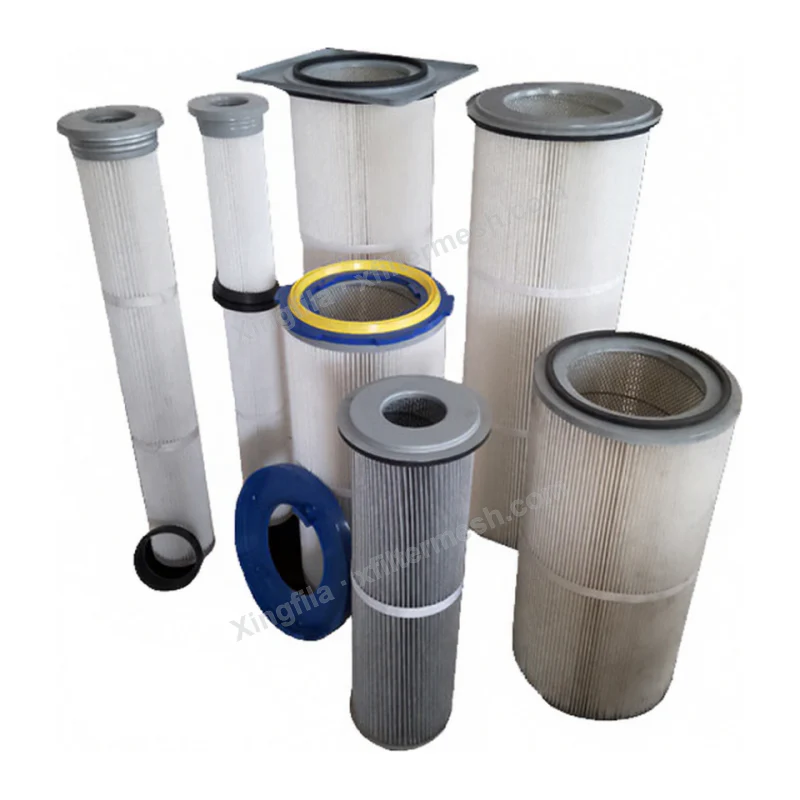
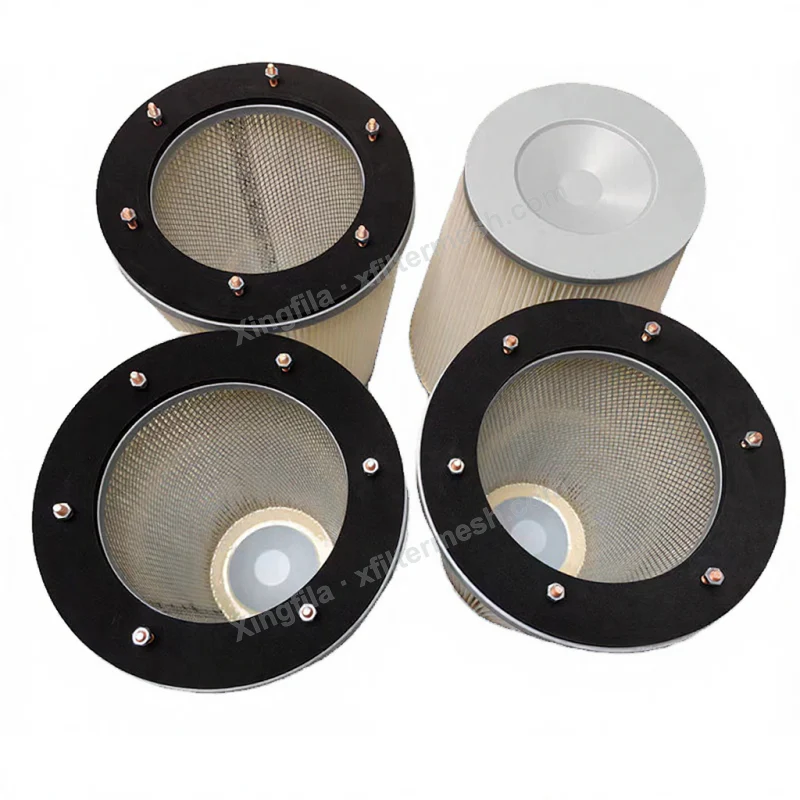
Multiple mounting lugs locate the cartridge at the dust collector's retaining interface. The lug arrangement and sealing face distinguish this form from thread-mounted and other end configurations.
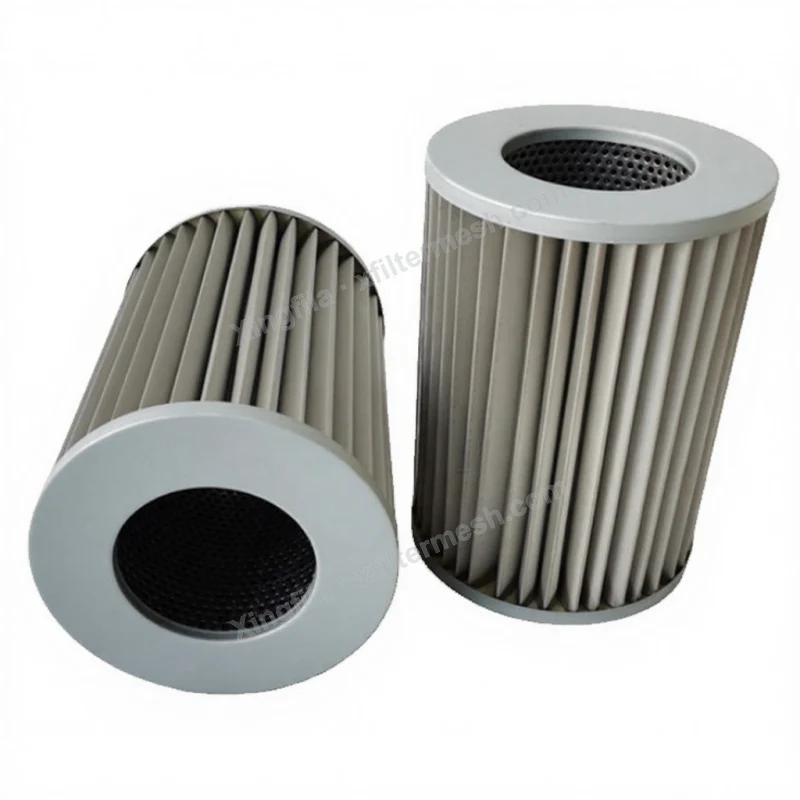
A gas-line element performs the separation task specified for its medium, such as particle filtration or liquid-droplet coalescence. It operates inside a compatible gas-service housing.
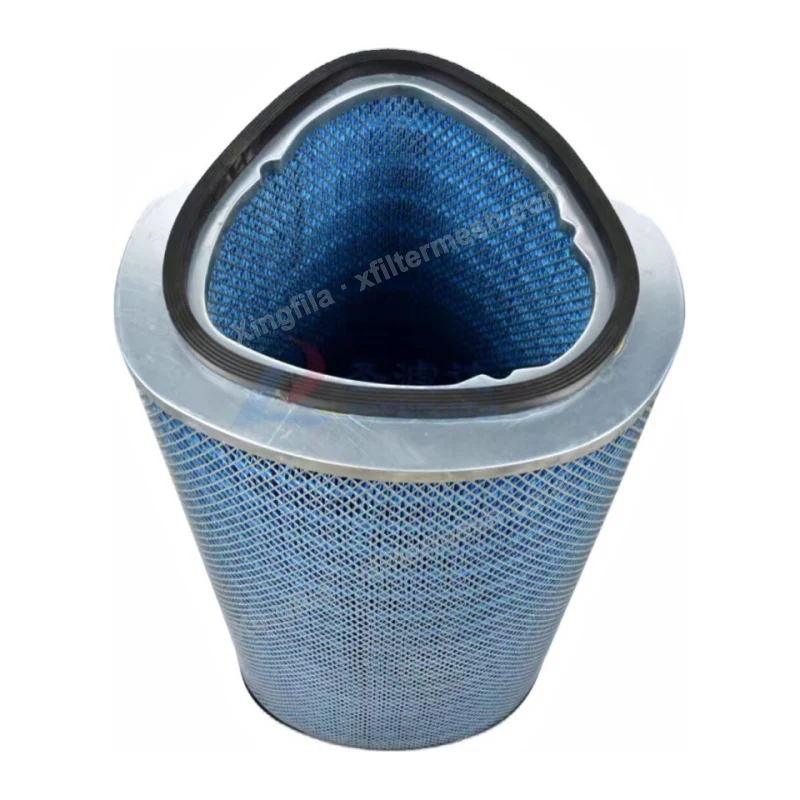
Shaped dust-filter cartridges fit a defined equipment envelope and mounting interface. Their profile and end geometry must align with the collector while preserving the intended sealed airflow path.
A threaded mounting interface secures the dust-filter cartridge in its mating equipment. Thread engagement, seating and seal position distinguish its installation from lug-retained cartridges.
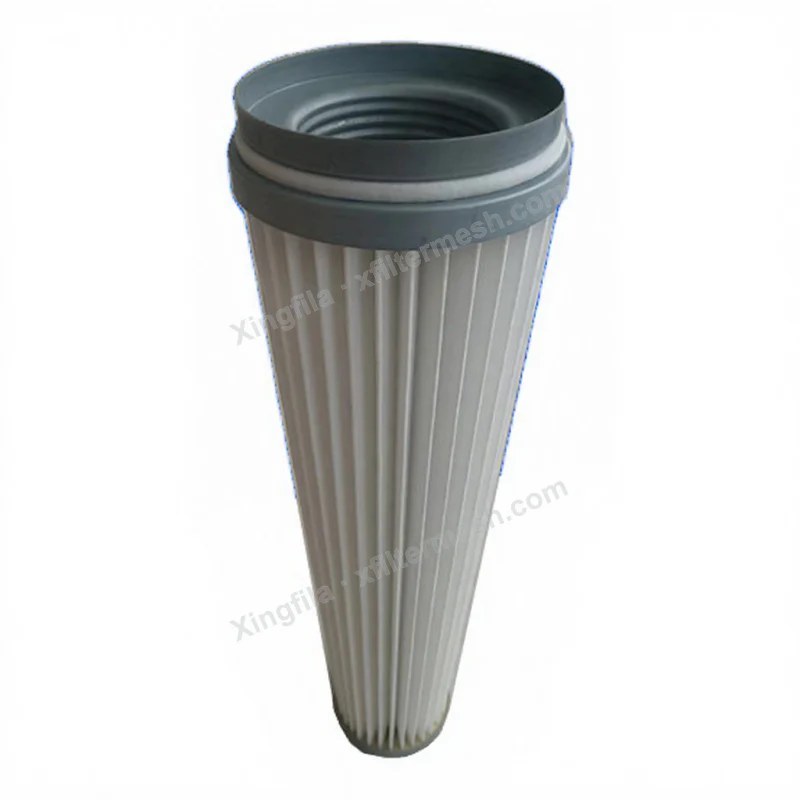
A vacuum-loader cartridge separates entrained powder from the conveying air at the equipment's filtration position. Mounting and cleaning must suit the handled powder and the loader design.
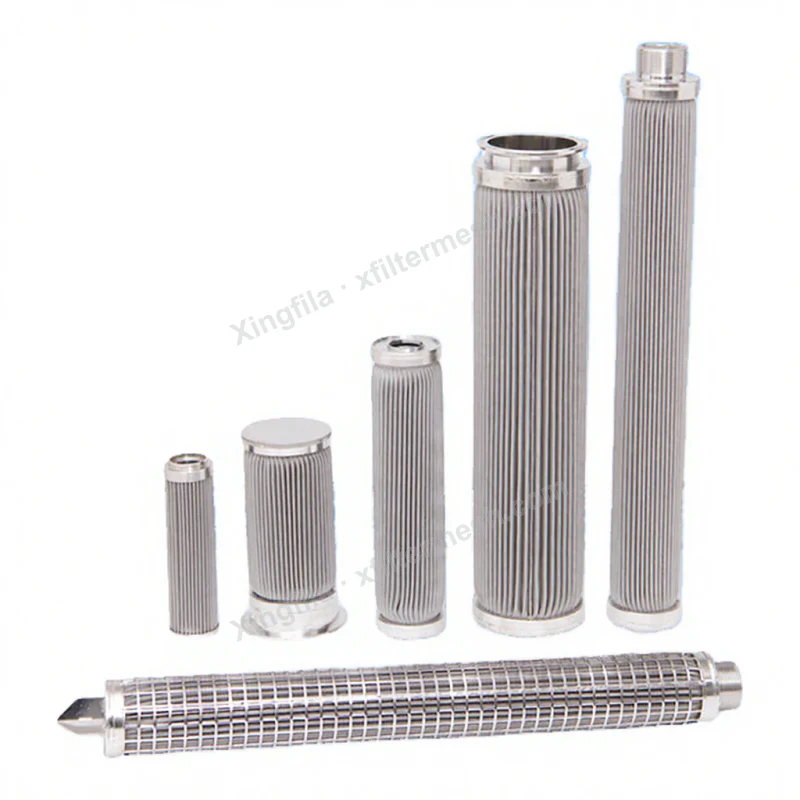
A folded metal-media pack, supporting components and end fittings form the element assembly. Compare media construction and end configuration when matching this form to an existing housing.
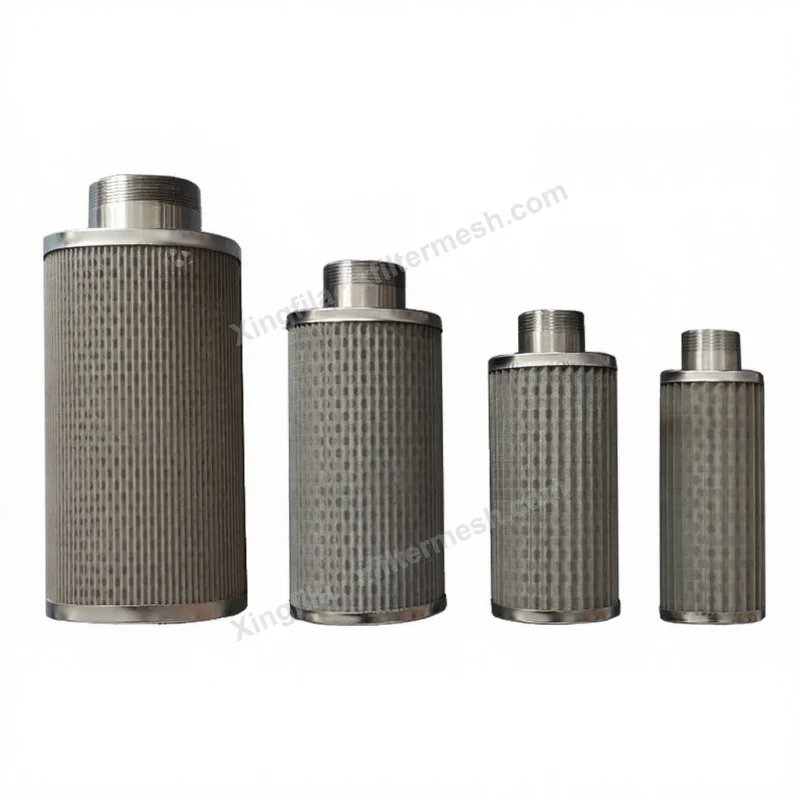
Pleated metal screens intercept particles at oil suction points. The folded surface increases available screening area within the body; inlet restriction must be considered with oil viscosity and flow.
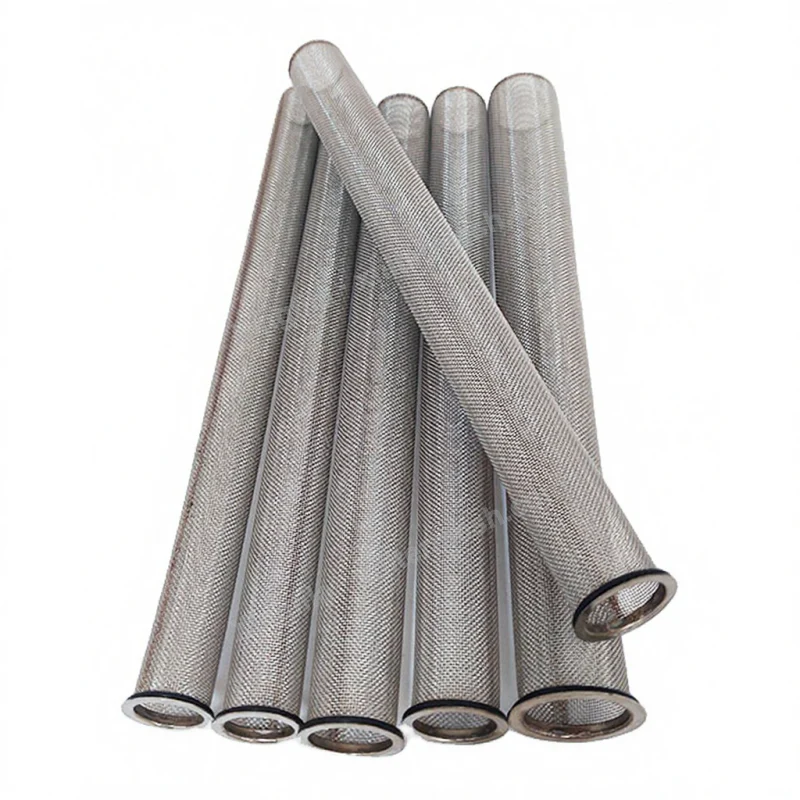
A cylindrical screen brings a filtering surface into an equipment inlet or flow passage. Woven mesh can provide particle screening, while a perforated wall may act as a coarse screen or support for finer media.
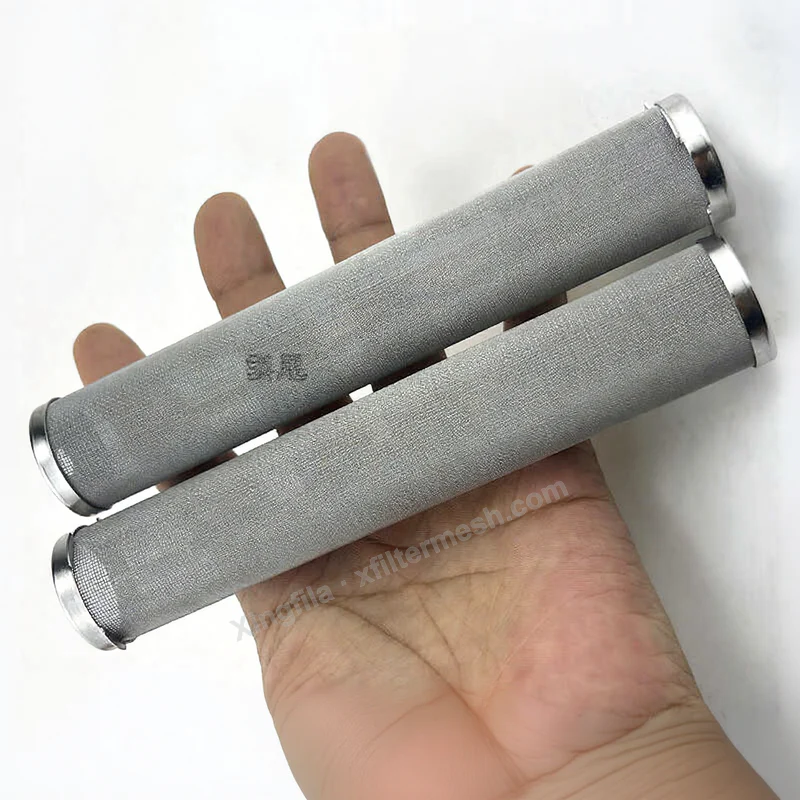
Paint-pump screens intercept particles at a specified position in a coating-feed system. The screen must match its pump or housing seat and maintain sufficient passage for the actual coating viscosity.
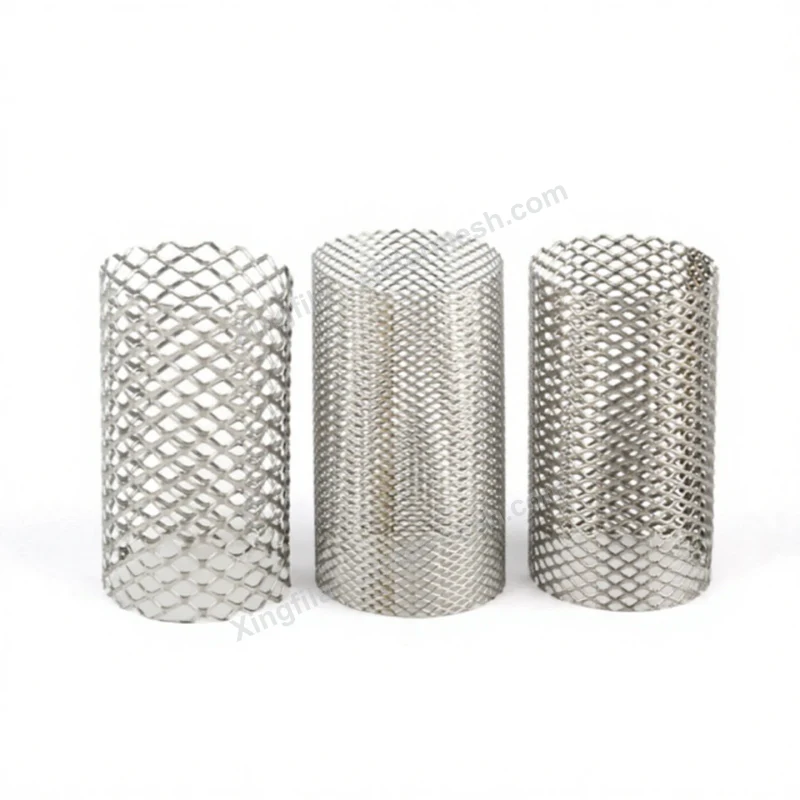
A Y-strainer insert is the removable screen within the inclined chamber of a matching Y-pattern housing. It intercepts pipework debris while the housing guides the inlet and outlet flow.
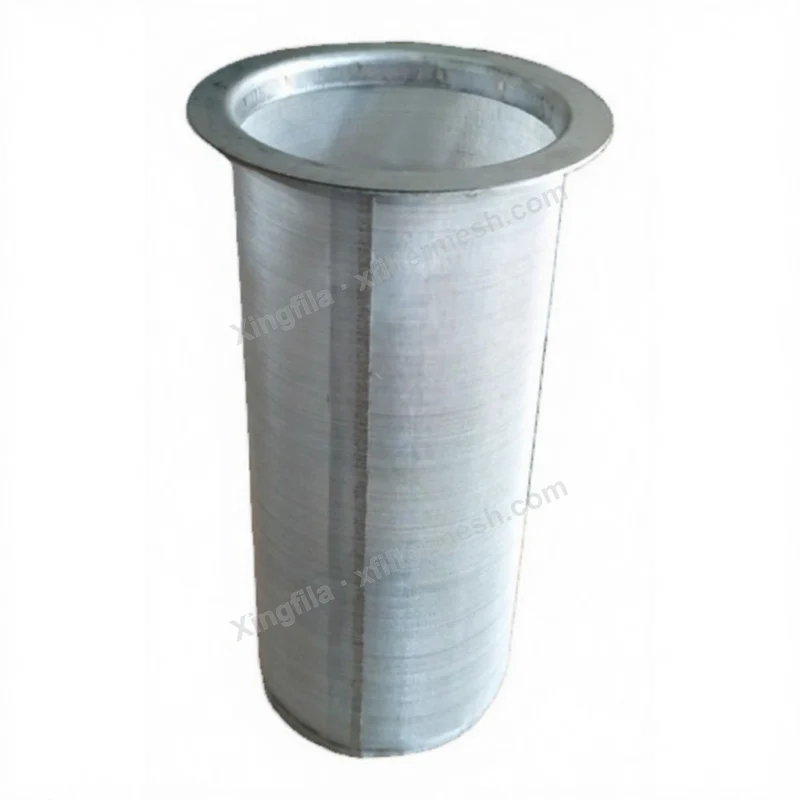
A cylindrical screen brings a filtering surface into an equipment inlet or flow passage. Woven mesh can provide particle screening, while a perforated wall may act as a coarse screen or support for finer media.
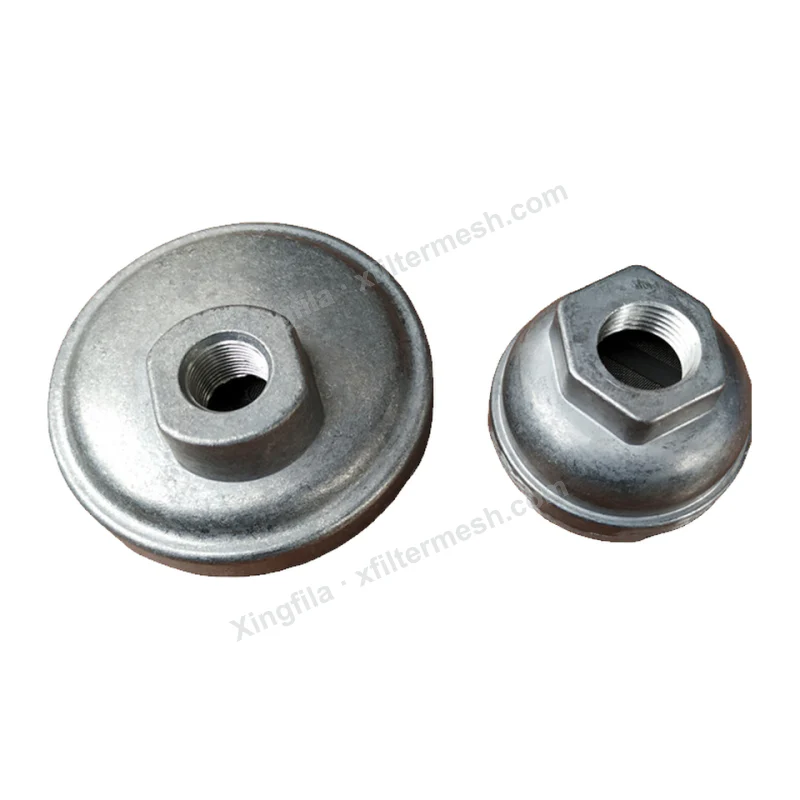
An intake screen intercepts debris before it enters a downstream pump or feed passage. The exposed screening area and nearby clearances are as important as the connection size.